
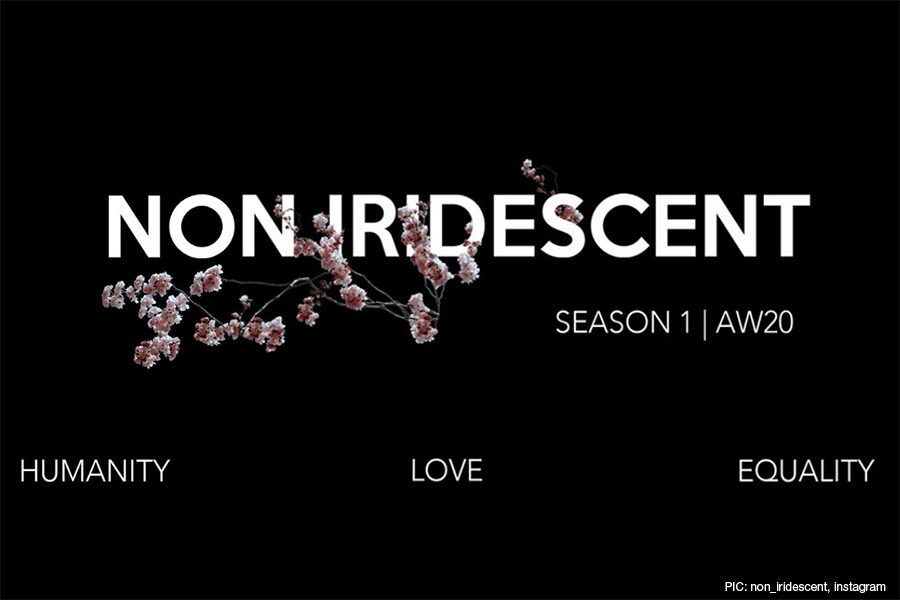
NON IRIDESCENT
A home-grown bespoke streetwear brand emerges amid pandemic and manages to sell 37 items in a month, with the average transaction being $728 (approximately AED 2,675). The digital fashion start-up has clocked 22 orders over the past month and has seen 21 new and 2 repeat customers.
“It is the creative community in the UAE that encouraged us to launch our brand – Non Iridescent; they have pre-ordered and bought from us to help us stay afloat amid the crisis,” says co-founder and creative director, Sabrina Sherif. “Our sales picked up in September and we are pleased with the repeat orders. Of course, the consumer appetite is cautious given the current climate, but the uniqueness of Non Iridescent has clicked well with our target audience.”
In the recent years, streetwear has emerged as one of the most “striking” fashion trends, according to global strategy consulting business Strategy&, often building a “cult-like” relationship with consumers – akin to what Sherif indicates.
Strategy& – based on data from Euromonitor Monitor and US Streetwear Market Report – estimates the size of the global streetwear market at $185 billion by sales, making it by some estimates about 10% of the entire global apparel and footwear market.
Launched by Sherif and Danni Staats, in August 2020, digital fashion start-up Non Iridescent offers bespoke streetwear designed in the UAE using sustainable fabrics sourced from Japan and Spain.
Even though from designing and stitching to packaging, everything is done in the UAE, sourcing fabrics from countries like Japan and Spain must be expensive, especially for a bootstrapped start-up. Sherif agrees, “It is very expensive. However, since our model is bespoke streetwear, we always have limited stock. For instance, you will only find six pieces of t-shirts or 12 joggers in one size. So, we don’t hold inventory. Moreover, with a razor-sharp focus on where we wanted to get one day, we have been diligently saving up to invest in the business. Having said that, the journey has not been easy; we have not only used our own funding, but also our own skills – from designing to digital marketing as well as e-commerce management to start Non Iridescent. That’s why it took us 1.5 years to launch the brand.”
“Also, our margins aren’t very high, because we have not started Non Iridescent to only make profits; we would like to add meaning to our buyers’ wardrobes while pursuing what we are really passionate about. It will be great if we are able to breakeven quickly, while helping our audience to express their individuality through our pieces,” she adds.
Again, according to Strategy&, streetwear brands’ democratic values are increasingly shared by its consumers. Small wonder that a home-grown bespoke streetwear brand emerges amid pandemic and manages to build a fan following.
Also read: Secret Skin seeks to “meaningfully” disrupt the beauty landscape
All of Non Iridescent’s prints are unique and developed in-house by artistic director Staats for a target audience from the creative space – comprising artists, designers, musicians, photographers and producers, among others. The brand claims to sit somewhere between fast fashion streetwear and a luxury brand like Dior offering a line of streetwear. “Our uniqueness is our strength,” Sherif emphasises. “With an aim to create a clean silhouette, we predominately use black, a colour preferred by our target audience.”
As more and more start-ups are emerging, it is being noticed that the brand purpose and a collaborative mindset are gaining predominance. “A big part of what we do is woven around collaboration with photographers, designers, tailors and studios – all based locally,” Sherif concurs. “Looking ahead, we are really keen to get on a local platform too, like Ounass.”
“While the pandemic has definitely thrown many businesses out of their comfort zone, a lot of opportunities have emerged too. For instance, we received preferential rates for licencing from the Department of Economic Development (DED), as the UAE committed to supporting start-ups and SMEs,” she concludes.


Watsons to open 20 new stores in the GCC
In 2020, global health & beauty retailer AS Watson Group signed its
April 29, 2024 | By Rupkatha BLandmark Group’s ‘Circulife’ could be a “giant leap” towards UAE’s textile circularity goals
“We want to not just match the price; but beat it,” claims Chemist Warehouse CEO
Landmark Group to invest $1-bn to grow the business, open 400 stores
/ 
For decades, Haldiram’s built deep recall across the UAE through its packaged
When House of Habanero opened its first physical location at Alserkal Avenue
Union Coop has completed a significant expansion of its Hatta Souq branch,

Saudi Arabia is set to welcome U.S. food exporters this week, as
Majid Al Futtaim has officially entered the discount retail segment with the

As convenience increasingly becomes currency in the region’s grocery landscape, Union Coop

As wellness becomes a lifestyle in the UAE, the grocery aisle is

Grandiose, one of the leading grocery retailers in the UAE with a

With shifting consumer behaviour, rising cost pressures, regulatory changes, and rapid digitization,
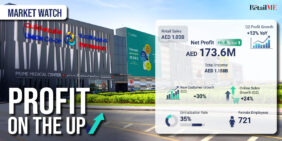
Union Coop’s blend of retail expansion, digital innovation, and community focus is
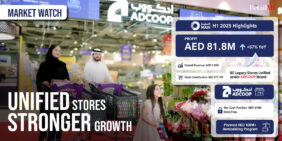
Abu Dhabi-based MAIR Group has marked a pivotal stage in its transformation

In a move that blurs the line between shopping and investing, Apparel
/ 
Zuvees believes the future of gifting won’t be won through bigger catalogues
Why cinemas, wellness sanctuaries and cultural districts are becoming emotional infrastructure for
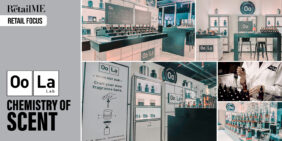
In a retail landscape dominated by shelves stacked with finished products, Oo
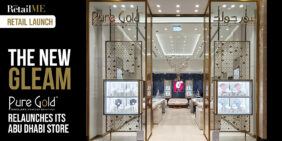
Pure Gold Jewellers, one of the region’s leading jewellery retail brands, today
When House of Habanero opened its first physical location at Alserkal Avenue
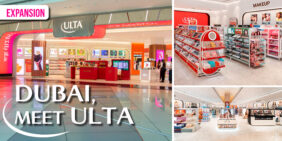
Ulta Beauty’s arrival in the Middle East is not simply another international
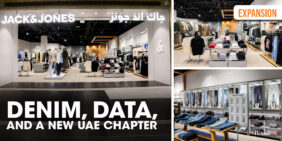
European denim powerhouse JACK & JONES is making a decisive return to
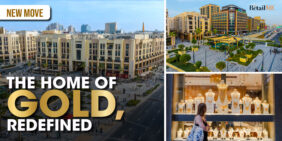
From bullion to boutiques, investment to immersion, Dubai Gold District marks a
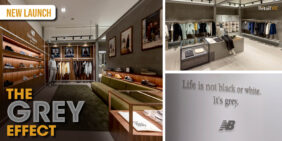
The opening of New Balance’s first-ever Grey store in the Middle East





 Previous Article