
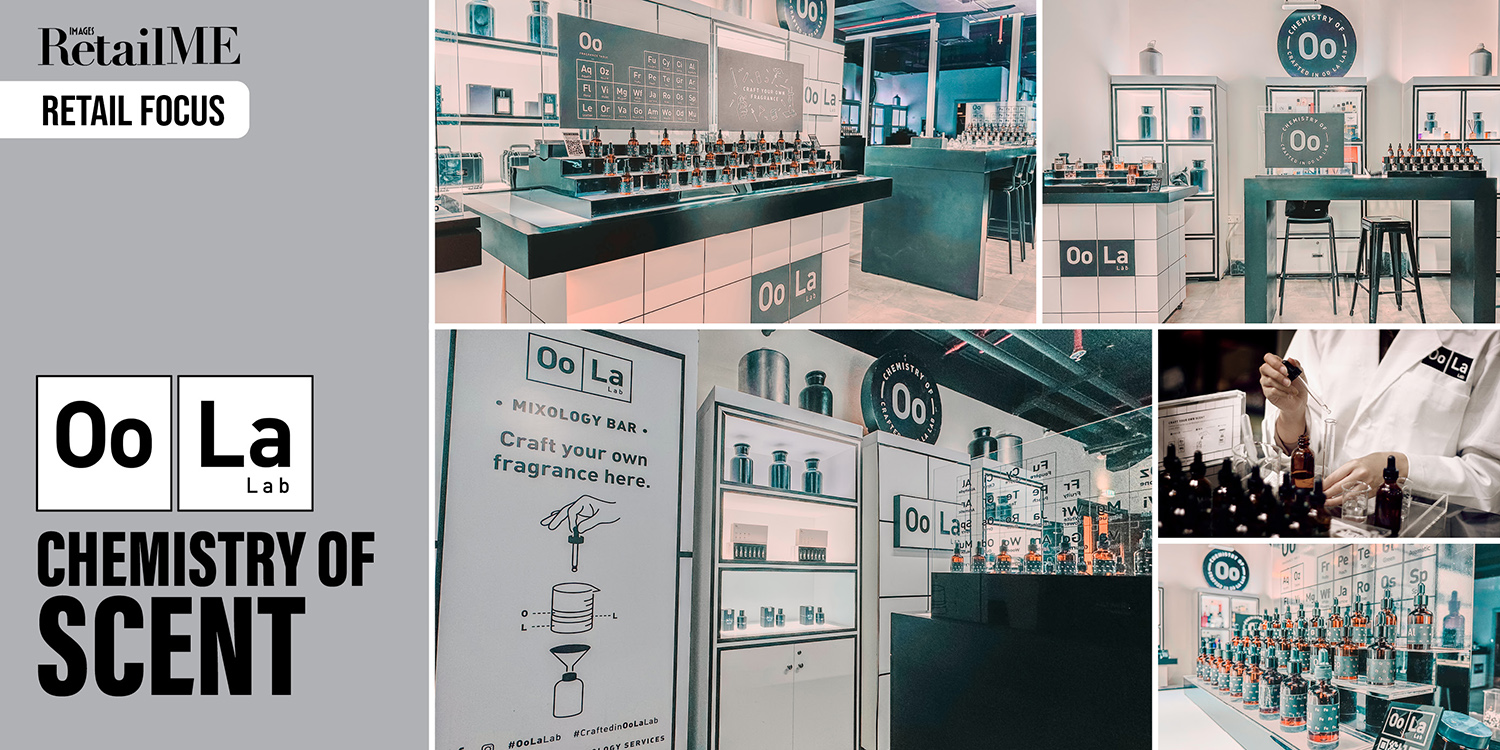
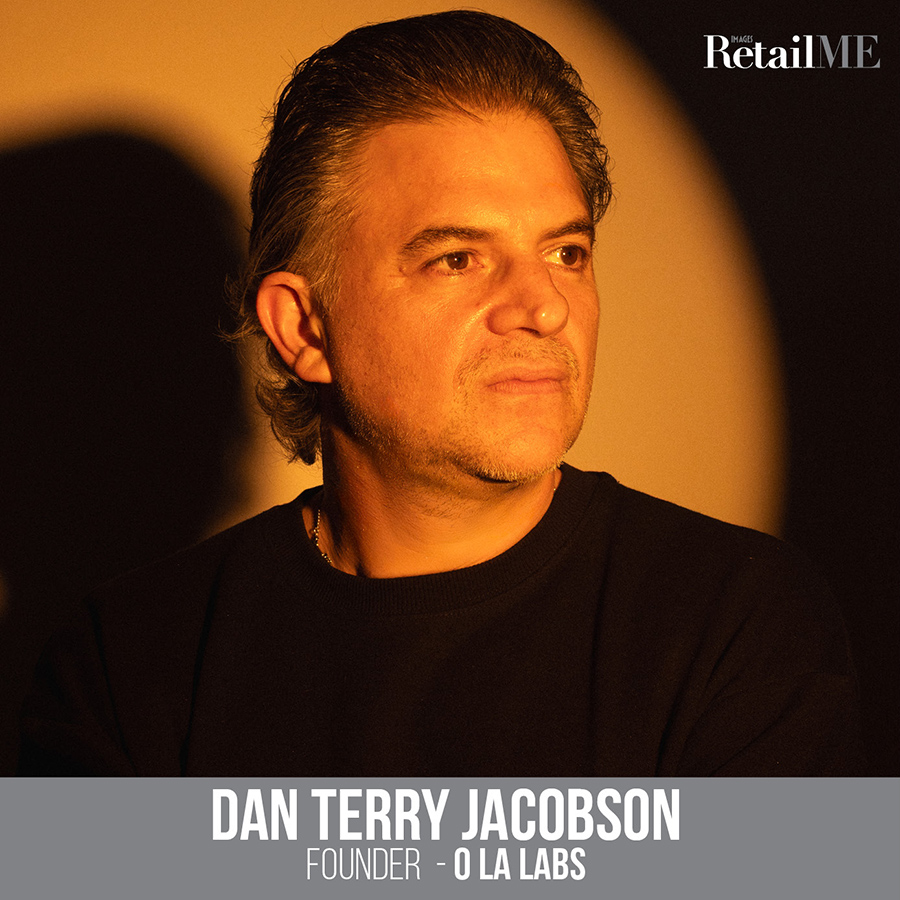
In a retail landscape dominated by shelves stacked with finished products, Oo La Lab is building a fragrance concept with almost no inventory waiting for the customer. Instead, stepping into the space feels like entering a modern chemistry lab, where beakers, formulations and scent notes replace the conventional perfume counter. Here, the customer becomes the creator, blending ingredients to arrive at a deeply personal fragrance formula shaped by memory, culture and individual olfactory experiences. No two outcomes are quite the same. Founded by Dan Terry Jacobson, the brand sits at the intersection of scent, storytelling, wellness and sensorial play, reimagining fragrance not as a finished product, but as an immersive human experience.
In this conversation, Jacobson speaks about why he chose Dubai as a testing ground, how fragrance became a tool for emotional connection, and why the future of retail may lie less in products and more in meaningful human experiences.
You entered the Middle East, a region deeply rooted in fragrance culture. Was that intimidating in the beginning?
Honestly, yes. I thought we had an interesting idea, but I also wanted the market to challenge us quickly and honestly. Dubai felt like the perfect place for that because fragrance here is such an intrinsic part of culture and identity.
We were a minimalist, black-and-white brand entering a market that often celebrates maximalism. I genuinely expected people to interrogate the concept. But instead, we were welcomed warmly. People connected with what we were trying to create and surprisingly little needed to change. That experience reinforced something important for me: if your story is authentic, people will find their own way into it.
What gap did you notice that led to the creation of Oo La Lab?
For a very long time, fragrance retail has revolved around finished products sitting on shelves. There was very little human connection and very little understanding of the process behind the scent itself.
At the same time, many fragrance brands operating globally were heavily Westernised, often inspired by Western celebrities and aesthetics. In many markets, that alienated local consumers because the products simply did not reflect their geography, memories, or culture. Scent is deeply personal. It is shaped by weather, food, memory and environment. I felt the story of fragrance needed to be told differently.
Did the idea of the experience come first, or was it always about perfume?
I have always been fascinated by human experience, but it was really the art of olfaction that pulled me in. Smell is such an emotional and mysterious sense. It is difficult to explain and is deeply connected to memory and identity. The two ideas came together naturally. I became obsessed with the idea of provoking emotion and storytelling specifically through scent.
Before launching Oo La Lab, I had already been consulting on brand experiences and designing fragrances for brands across different markets. I could see how differently people responded to scent depending on culture and personal memory.
What I loved most was that fragrance is not binary. Two people can have completely different emotional relationships with a scent and both can still coexist beautifully.
Customisation is central to your concept. How challenging was it to build a retail team around that philosophy?
It is definitely challenging when you are doing something unfamiliar. But I have always been drawn to white spaces and unconventional ideas. Dubai actually helped because people here already have a sophisticated understanding of fragrance. There is a strong baseline knowledge and appreciation for scent culture.
For us, the key has always been curiosity and humility. We are not trying to dictate what is right or wrong. We are inviting people into a process of exploration and learning together.
When we hire, we look less for technical perfection and more for passion, storytelling ability and emotional intelligence. Sometimes, fresh eyes are more valuable because they see possibilities that older systems overlook.
Customer experience sits at the centre of the brand. Has there been a moment that validated the journey for you?
What amazes me constantly is how deeply immersed people become in the process. Most of us use smell subconsciously. We know we like food aromas or familiar smells, but we are not taught how to consciously engage with scent. When we give people a toolkit to explore that sense intentionally, they go surprisingly deep into the experience.
People open up emotionally. They share memories. Couples connect. Friends bond. We host birthdays, dates and group experiences where phones disappear and people become fully present. That, for me, is incredibly rewarding because it reminds me how hungry people are for genuine human connection.
Do you see repeat customers, or is the business largely discovery-driven?
Interestingly, every market has developed a strong tourist audience for us. People actively seek us out while travelling. But we also see many returning customers who come back either to recreate their fragrance or experience the process again. That repeat engagement tells us the emotional connection goes beyond novelty.
Could the concept eventually move into travel retail or airports?
Absolutely. We would love to explore airports and tourism hubs. The challenge there is format and timing because airports demand speed and efficiency. But fragrance is so tied to travel memories and emotional recall that it feels like a natural fit.
Right now, airport retail is still heavily product-focused. We believe there is room for meaningful experiential retail within those environments.
How are you thinking about scale and growth?
So far, we have focused less on rapid expansion and more on refining the experience itself. Interestingly, a large part of our growth today comes through collaborations, brand activations, education and consulting work. The workshops at our retail outlets also act as a testing ground where we observe customer behaviour, experiment with ingredients and gather insights that inform our forecasting and consulting business.
Scaling the consumer experience is something we are actively exploring. It will likely require simplification, new formats and adapting experiences to different environments. But we are intentionally taking our time with it.
Your B2B collaborations are becoming increasingly visible. How important is that side of the business?
It has become a very natural extension of who we are. We launched alongside Singapore Fashion Week and later worked with events such as the Singapore Airshow and the Singapore Tourism Board’s wellness festival. We have created fragrances for banks, collectible toys and luxury brands.
Those collaborations allow us to combine storytelling, scent and experience design in very unique ways. In many ways, this outward-facing collaboration work has allowed our own consumer brand to evolve more organically and stay true to its original philosophy.
Wellness also seems to be becoming a larger part of the brand story.
Very much so. Working with the Singapore Tourism Board helped us realise that what we were creating sat in a unique space between physical wellness and mental wellness. We were facilitating social wellness through mindful, shared sensory experiences.
That journey changed our thinking. We began exploring how fragrance could support emotional reset, nervous system regulation and healing rituals. We are currently developing a collection of fine fragrances tied to specific wellness rituals and remedies, which we hope to launch later this year.
The brand aesthetic feels deliberately scientific. What inspired that direction?
The name itself is a subtle nod to the French expression “ooh la la”, which represents joy and delight. But we encapsulated that emotion inside a structured chemistry table framework.
That duality is intentional. Creating fragrance requires both chemistry and emotion. You need structure, formulation and balance, but you also need emotional resonance. One without the other feels incomplete. That is why our spaces resemble chemistry labs. We want people to engage in sensorial play. We use beakers, measuring tools and formulation stations because the physical interaction helps people immerse themselves in the process. At the same time, we balance education with entertainment. I often call it “edutainment”.
Lastly, how would you want Oo La Lab to be remembered?
We are on a mission to tell human stories, connect people and empower creativity through scent. Of course, we want to build a successful business, but there has to be a deeper purpose underneath that growth. If people remember us as a brand that helped humans reconnect with themselves and with each other through fragrance, then I think we would have done something meaningful.


Watsons to open 20 new stores in the GCC
In 2020, global health & beauty retailer AS Watson Group signed its
April 29, 2024 | By Rupkatha BBeyond the Bouquet: Why Trust Is Becoming the New Currency of Gifting
From a Single Coffee Machine to a Regional Coffee Empire: The Coffee Planet Story
/ 
For decades, Haldiram’s built deep recall across the UAE through its packaged
When House of Habanero opened its first physical location at Alserkal Avenue

Union Coop has completed a significant expansion of its Hatta Souq branch,

Saudi Arabia is set to welcome U.S. food exporters this week, as
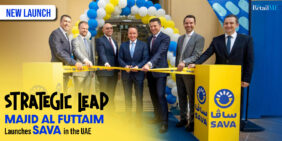
Majid Al Futtaim has officially entered the discount retail segment with the

As convenience increasingly becomes currency in the region’s grocery landscape, Union Coop

As wellness becomes a lifestyle in the UAE, the grocery aisle is

Grandiose, one of the leading grocery retailers in the UAE with a

With shifting consumer behaviour, rising cost pressures, regulatory changes, and rapid digitization,

Union Coop’s blend of retail expansion, digital innovation, and community focus is

Abu Dhabi-based MAIR Group has marked a pivotal stage in its transformation

In a move that blurs the line between shopping and investing, Apparel
/ 
Zuvees believes the future of gifting won’t be won through bigger catalogues

Why cinemas, wellness sanctuaries and cultural districts are becoming emotional infrastructure for

Asda, the UK’s third-largest grocery retailer, has strengthened its partnership with Deliverect
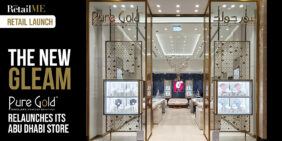
Pure Gold Jewellers, one of the region’s leading jewellery retail brands, today
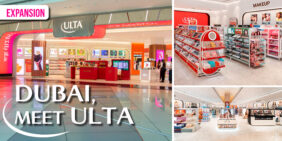
Ulta Beauty’s arrival in the Middle East is not simply another international

European denim powerhouse JACK & JONES is making a decisive return to

From bullion to boutiques, investment to immersion, Dubai Gold District marks a
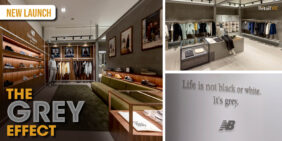
The opening of New Balance’s first-ever Grey store in the Middle East





 Previous Article