
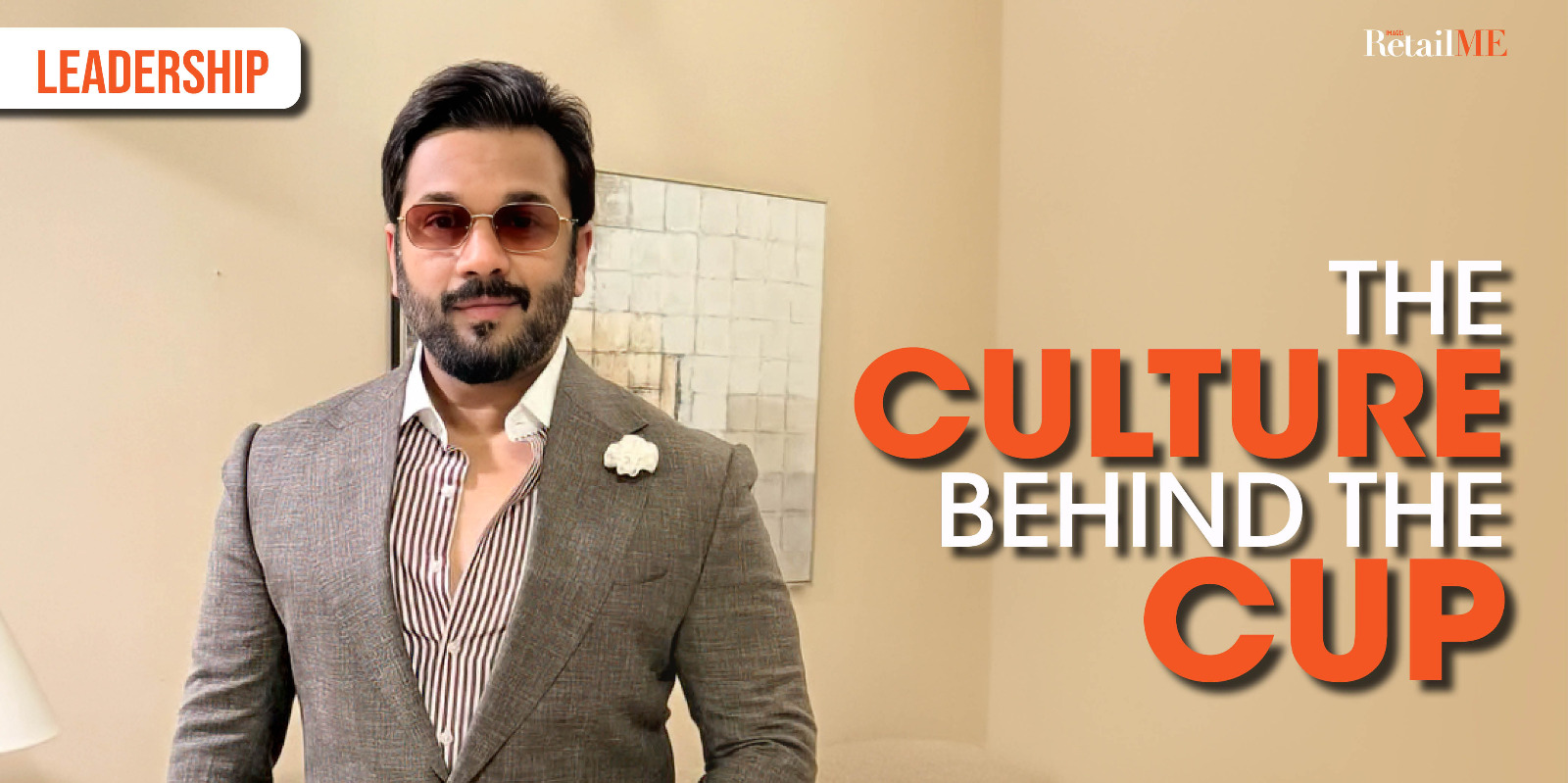
In hospitality, brands are often discussed as concepts. But the strongest ones are built through conduct. For Rafeh Filli, Founder & CEO, Filli Cafe, leadership is not a management function. It is the quiet architecture behind every customer moment, every service standard, every decision made under pressure. At Filli, brand experience is not outsourced to marketing decks or training manuals. It is shaped daily by leadership tone, behavioural discipline, and cultural clarity.
In this conversation, Filli reflects on how leadership choices translate into brand reality on the ground, why consistency is a cultural outcome rather than an operational checkbox, and what it takes to protect brand equity in a business that lives at the intersection of emotion, expectation, and scale.
Leadership doesn’t just shape teams, it shapes brands.
How conscious are you of your personal leadership style influencing how the brand is experienced on the ground?
I am extremely conscious of it. In hospitality, the brand is not a logo. It is behaviour.
If I am calm under pressure, the brand feels stable. If I am disciplined about quality, the brand feels premium. If I am humble with customers and staff, the brand feels human.
Leadership tone becomes brand tone. What the founder tolerates becomes the culture. That is why my leadership style focuses on warmth, consistency, and accountability, because that is exactly how I want the brand to be experienced in every store.
Every brand claims consistency, but few achieve it at scale.
As a leader, what do you prioritise to ensure the brand promise is delivered daily, not just articulated in decks?
Three things: systems, simplicity, and supervision.
First, systems. Clear SOPs that are practical and easy to execute.
Second, simplicity. If something is too complex, it will not scale.
Third, supervision. Regular audits and personal involvement.
But structure alone is not enough. Culture matters more. When teams understand why consistency matters, not just what to do, the brand promise becomes personal.
When a brand is under pressure, leaders are tested first.
Can you share a moment when protecting the long-term brand meant taking a short-term business hit?
There have been moments when expansion opportunities looked attractive financially but compromised control or quality. I chose to slow down rather than dilute the brand. We have also walked away from partnerships where alignment was weak. In the short term, revenue was sacrificed. In the long term, brand equity was protected.
In hospitality, once trust is damaged, it is very expensive to rebuild. Growth can wait. Reputation cannot.
Hospitality brands live and die by frontline behaviour.
How do you translate brand values into everyday decision-making for teams who may never read a brand manual?
Brand values must be lived, not laminated.
We focus on behaviour-based training. Instead of saying “deliver great service,” we define it clearly: greet within five seconds, maintain eye contact, serve with energy, resolve complaints immediately.
When values are translated into observable actions, they become habits. When habits are repeated daily, they become culture.
As markets evolve, brands must adapt without losing identity.
How do you decide what aspects of a brand are sacred and what can be reinterpreted for new customers or formats?
Every brand must define its non-negotiables.
For us, product quality, signature taste, and the emotional warmth of the experience are sacred. These will never change.
Store formats, digital engagement, menu extensions, and local adaptations can evolve.
Identity is the core. Expression can be flexible.
Strong brands require strong internal alignment.
What role does leadership communication play in keeping teams emotionally connected to the brand’s purpose?
Leadership communication is everything.
If the team only hears numbers, they will work for salary. If they hear purpose, they will work with pride.
I regularly communicate the bigger vision, why standards matter, and how each team member contributes to the journey.
When people feel they are building something meaningful, performance improves naturally.
Empowerment is often talked about as a leadership ideal.
How do you give teams autonomy to deliver the brand authentically while still protecting standards and consistency?
Empowerment without clarity creates chaos.
We set very clear standards and brand guardrails. Within those boundaries, teams are free to express warmth, personalise service, and solve problems quickly.
Standards protect the brand. Autonomy protects the experience. Both must coexist.
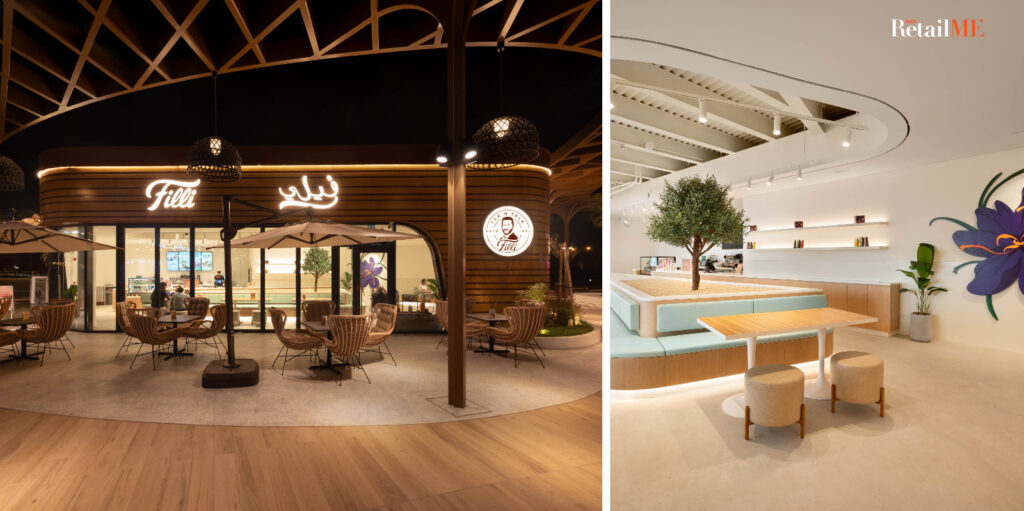
Customer expectations today are shaped as much by lifestyle brands as by hotels or restaurants.
How do you personally stay attuned to cultural and consumer shifts that should influence brand evolution?
I travel extensively and observe closely. I visit stores personally, speak to customers directly, and monitor digital feedback continuously.
Hospitality leaders must remain curious. Trends in design, wellness, technology, and lifestyle all influence expectations.
You cannot build a future-facing brand from behind a desk.
Many brands struggle with the gap between ambition and execution.
As a leader, how do you ensure strategy translates into brand moments guests actually remember?
Execution improves when accountability is clear.
We break strategy into measurable daily actions: service timing, quality checks, cleanliness audits, staff engagement metrics.
But beyond metrics, we focus on moments. A warm welcome. A perfectly served cup. A genuine smile.
Guests remember moments, not strategy documents.
Looking ahead, leadership and branding are becoming inseparable.
What will distinguish leaders who build enduring hospitality brands from those who only manage operations?
Operators manage systems. Leaders build culture.
The leaders who will endure are those who combine discipline with humanity, who understand finance but never forget feelings.
In hospitality, emotional intelligence is as important as operational efficiency.
The brands that last will be led by people who protect identity, invest in people, and think long term, even when short-term pressure is intense.


Watsons to open 20 new stores in the GCC
In 2020, global health & beauty retailer AS Watson Group signed its
April 29, 2024 | By Rupkatha BBeyond the Bouquet: Why Trust Is Becoming the New Currency of Gifting
From a Single Coffee Machine to a Regional Coffee Empire: The Coffee Planet Story
/ 
For decades, Haldiram’s built deep recall across the UAE through its packaged
When House of Habanero opened its first physical location at Alserkal Avenue

Union Coop has completed a significant expansion of its Hatta Souq branch,

Saudi Arabia is set to welcome U.S. food exporters this week, as

Majid Al Futtaim has officially entered the discount retail segment with the

As convenience increasingly becomes currency in the region’s grocery landscape, Union Coop

As wellness becomes a lifestyle in the UAE, the grocery aisle is

Grandiose, one of the leading grocery retailers in the UAE with a

With shifting consumer behaviour, rising cost pressures, regulatory changes, and rapid digitization,

Union Coop’s blend of retail expansion, digital innovation, and community focus is

Abu Dhabi-based MAIR Group has marked a pivotal stage in its transformation

In a move that blurs the line between shopping and investing, Apparel
/ 
Tableside theatre, burrata cracked over butter chicken, a Laal Maas Cigar —
For decades, Haldiram’s built deep recall across the UAE through its packaged
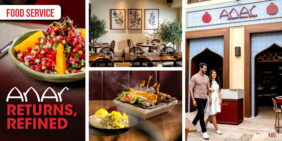
At Souk Madinat Jumeirah, with the Burj Al Arab rising quietly in
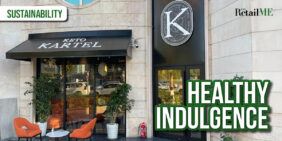
Keto Kartel has entered the UAE’s premium wellness food space at a
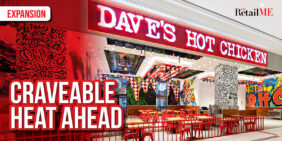
With at least seven stores now operating across the country—mainly in Dubai,

The UAE Restaurant Group (UAERG), the official representative body of the country’s
As youth culture reshapes the global retail playbook, Majid Al Futtaim is
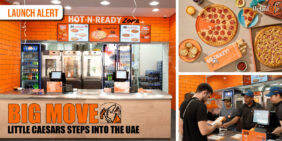
As one of the world’s largest pizza chains, Little Caesars is making

Experiential dining has transformed the restaurant industry inculcating multi-sensory gastronomy to Instagram-worthy
From predictive inventory to robot deliveries, technology is reshaping the hospitality industry





 Previous Article