

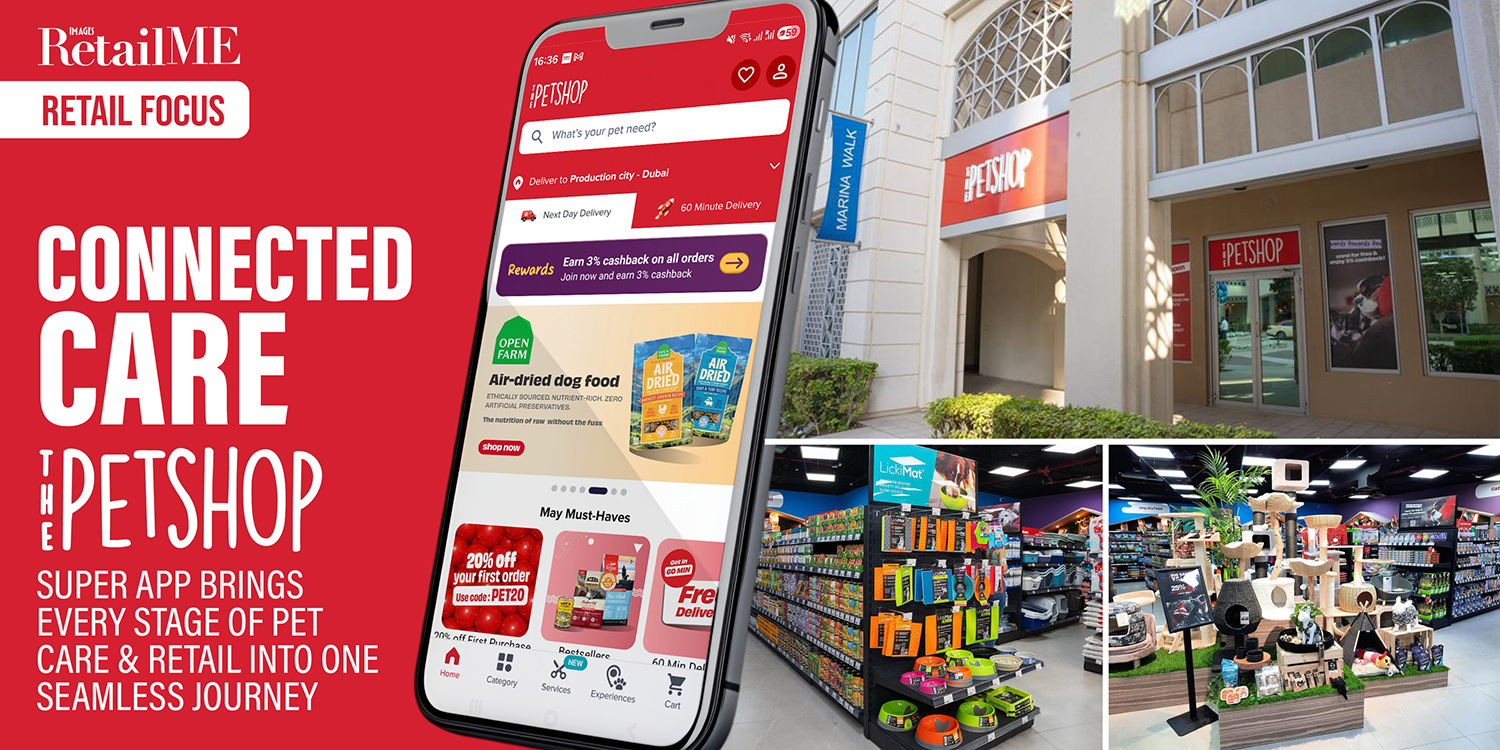
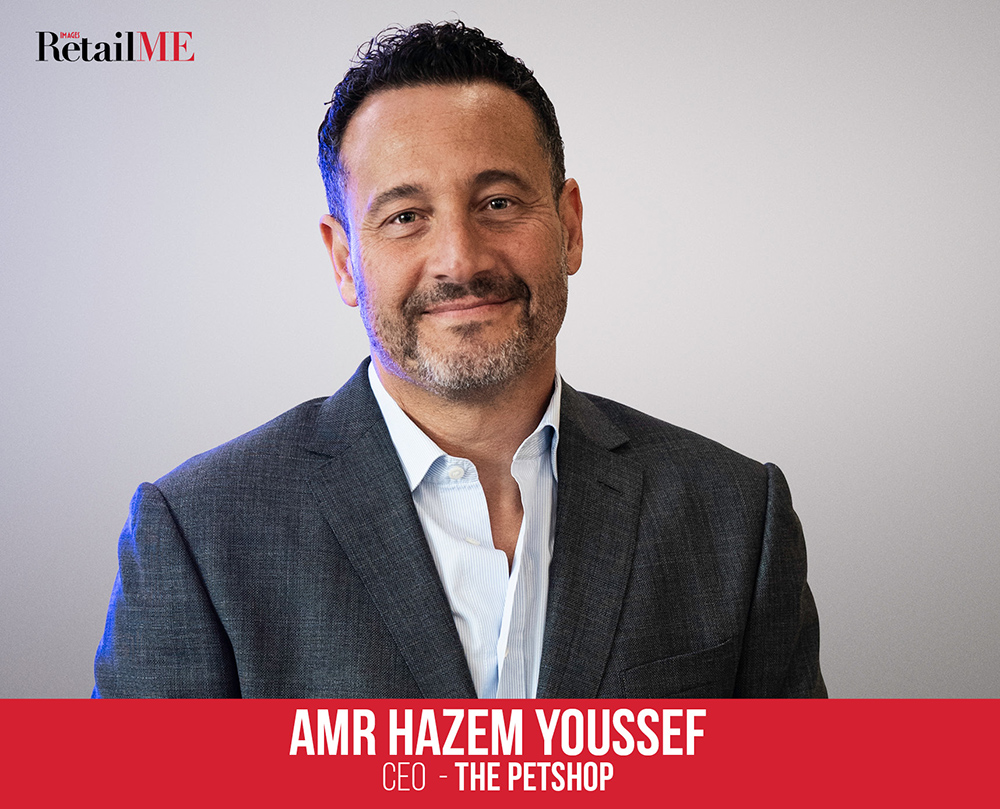
Pet care in the Middle East is shedding its transactional skin and stepping into something far more intimate, connected, and long-term. At the centre of this shift is —reimagining itself not as a retailer, but as a companion across a pet’s entire life cycle. With the launch of its Super App, the brand is stitching together services, data, and community into one continuous experience, where every grooming visit, vet interaction, and purchase feeds into a deeper understanding of the animal. In this conversation, CEO Amr Hazem Youssef breaks down how The Petshop is building a platform that doesn’t just sell to pet parents—but grows with them.
The Super App signals a shift from retailer to ecosystem. How does that redefine The Petshop’s role over the next five years?
We’ve never really operated as just a retailer. Even before the app, customers came to us for advice, grooming, boarding, and relocations. The store was always more than a store.
What the Super App does is give that reality structure. It connects every interaction into a single, continuous journey.
Over the next five years, our role is to be the first place a pet family turns to—from the moment they bring a pet home, through every stage of its life. Whether it’s vaccinations, dietary changes, or managing ageing-related issues, everything fits into one connected system.
This isn’t about moving from retail to ecosystem. It’s about becoming a platform that actively supports pet care decisions, connects families with experts, and builds a community around them.
What led you to believe the UAE was ready for an integrated pet-care platform?
We saw it in-store long before we built anything. Customers would come to us for food and grooming, but the moment they needed a vet or boarding, they had to start over somewhere else.
Records were scattered—some in WhatsApp chats, some in physical files. Every part of the pet’s life touched us, but nothing was connected.
The data support this behaviour. Around a third of pet families in the UAE already use apps for vet tracking or health records. The intent for digital management exists. What’s missing is a single destination.
In a market like the UAE, where families relocate frequently, having a pet’s complete history in one place isn’t a convenience—it’s critical.
The real cost of fragmentation is subtle: missed follow-ups, early warning signs that don’t get shared. That gap made the opportunity clear.
Where does the next phase of growth come from—stores, digital, or lifetime value?
It’s not a trade-off. These elements strengthen each other. Physical stores remain critical because pet care is personal. Customers want to speak to someone who understands their animal. But now, those interactions feed into a digital profile that carries forward.
Growth will come from expanding the ecosystem itself—insurance, veterinary partnerships, and long-term wellness planning.
A pet’s lifecycle spans 10 to 15 years. If we are present across that journey, the relationship naturally deepens. That level of trust creates far more value than any acquisition strategy.
How will data and personalisation move beyond commerce into care?
If personalisation is working correctly, better care and better commerce become the same outcome. Each pet profile captures age, breed, health history, and behavioural data. That allows us to tailor recommendations in a genuinely relevant way.
For example, a Husky in a UAE summer requires very different care guidance compared to a short-coated breed. These nuances matter.
Over time, this becomes a living record. It allows vets, groomers, and advisors to identify patterns early and act before issues escalate. The goal is not to sell more. It’s to make better decisions for the animal. The commercial outcome follows naturally.
Super apps often chase daily engagement. What makes yours indispensable instead?
We don’t want to manufacture engagement. Pet care doesn’t work like that. Usage should reflect real-life needs. Some weeks, customers will use the app frequently. Other times, less so. That’s fine.
What matters is that when something does come up, the app is the obvious first choice. That trust is earned through reliability, not notifications or gamification.
The second layer is community. Workshops, expert sessions, and peer interactions create deeper engagement beyond the app itself. That’s what drives long-term retention.
How do services and experiences compare to product retail in shaping the future model?
They’re interconnected, not competing. A grooming session might lead to a dietary recommendation, which leads to a vet visit, which updates the pet’s profile. It’s a continuous loop.
That said, the centre of gravity is shifting. Services—particularly health and wellness—are growing faster globally than product retail.
The future is a more integrated model where retail becomes one part of a broader care experience that includes veterinary services, grooming, boarding, and community engagement.
Is the Super App a UAE play or a regional platform in the making?
Both, but sequentially. The UAE comes first because this is where we’ve built the foundation over 15 years. Scaling before the system is fully ready would weaken the model.
At the same time, the regional opportunity is clear. The GCC shares similar dynamics—high mobility, digital adoption, and a growing view of pets as family. Our focus is to perfect the model here, then scale with confidence.
How do you see the pet-care category evolving in the Middle East over the next decade?
The category is moving from transactional to relationship-driven. Ten years ago, pet care was reactive—you bought food and visited a vet when needed. Today, there’s a growing focus on long-term wellness, behaviour, and preventive care.
That shift will accelerate. Services, digital management, and health-led models will grow faster than product sales. At the same time, the industry will professionalise. The gap between high-quality providers and the rest will become more visible—and unsustainable.
Our role is to help set that standard. The goal is to build a model that not only scales but raises expectations for pet care across the region.


Watsons to open 20 new stores in the GCC
In 2020, global health & beauty retailer AS Watson Group signed its
April 29, 2024 | By Rupkatha BBeyond the Bouquet: Why Trust Is Becoming the New Currency of Gifting
From a Single Coffee Machine to a Regional Coffee Empire: The Coffee Planet Story
/ 
For decades, Haldiram’s built deep recall across the UAE through its packaged
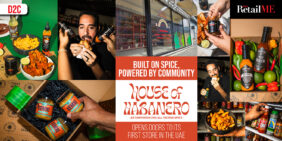
When House of Habanero opened its first physical location at Alserkal Avenue

Union Coop has completed a significant expansion of its Hatta Souq branch,

Saudi Arabia is set to welcome U.S. food exporters this week, as

Majid Al Futtaim has officially entered the discount retail segment with the

As convenience increasingly becomes currency in the region’s grocery landscape, Union Coop

As wellness becomes a lifestyle in the UAE, the grocery aisle is

Grandiose, one of the leading grocery retailers in the UAE with a

With shifting consumer behaviour, rising cost pressures, regulatory changes, and rapid digitization,

Union Coop’s blend of retail expansion, digital innovation, and community focus is

Abu Dhabi-based MAIR Group has marked a pivotal stage in its transformation

In a move that blurs the line between shopping and investing, Apparel
/ 
Why cinemas, wellness sanctuaries and cultural districts are becoming emotional infrastructure for

In a retail landscape dominated by shelves stacked with finished products, Oo

Asda, the UK’s third-largest grocery retailer, has strengthened its partnership with Deliverect

Homegrown Ventures announced its investment in PawPots, an innovative provider of fresh,

Speed and accuracy have become non-negotiable in the current logistics landscape. In

Dubai, UAE – 19 May 2025 – FancyTech A&M (Advertising & Marketing) Awards, is

The Retail Reboot Summit 2025 culminated spectacularly with the inaugural FancyTech A&M

Pet ownership in the UAE has transformed dramatically over the past two

An exclusive piece contributed By Oliver Morgan, Partner, Real Estate Development &

The UAE, particularly Dubai, is a melting pot of cultures. However, introducing

More and more, convenience is king, personalisation is paramount, and RetailGPT is





 Previous Article