
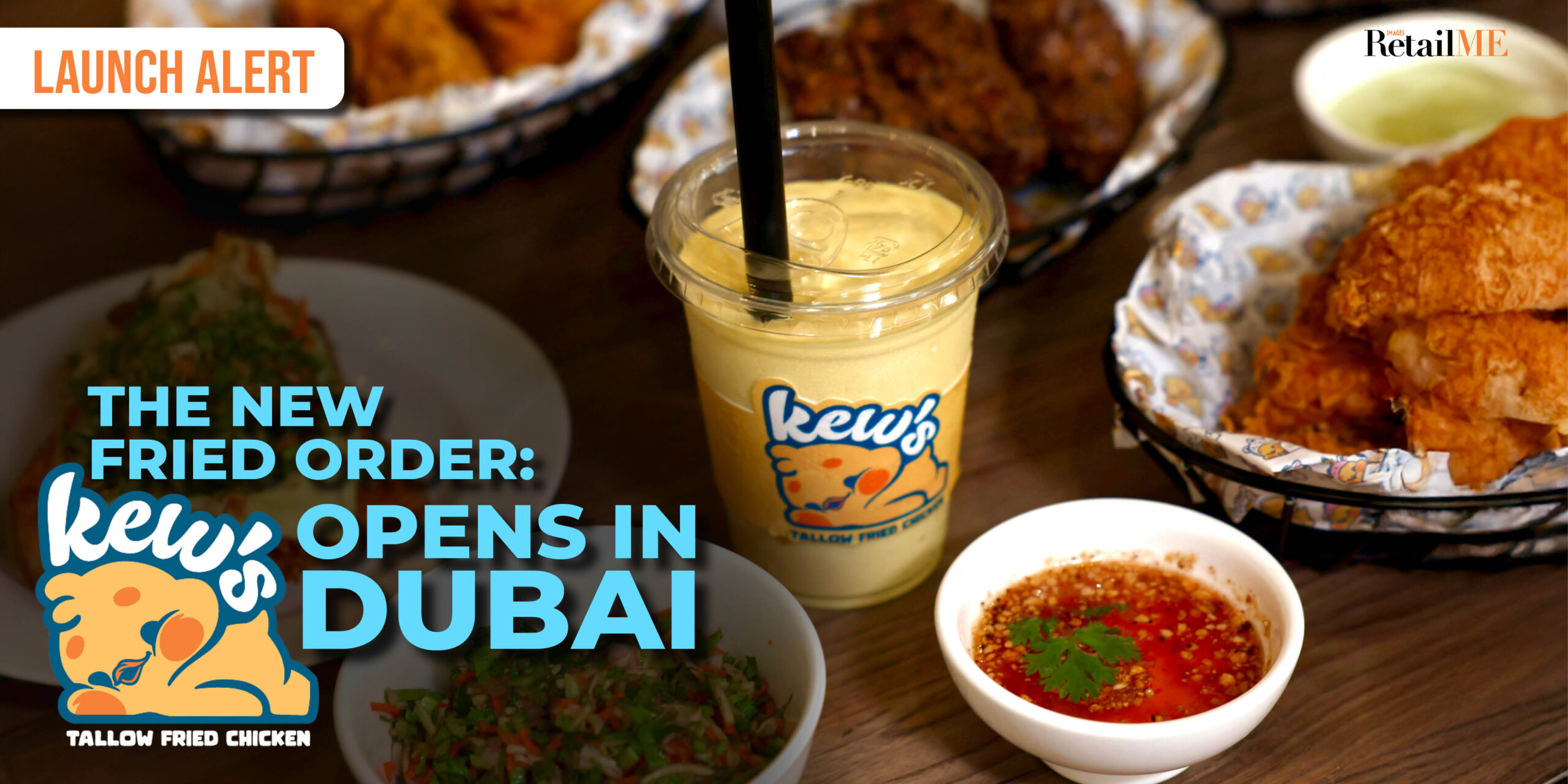
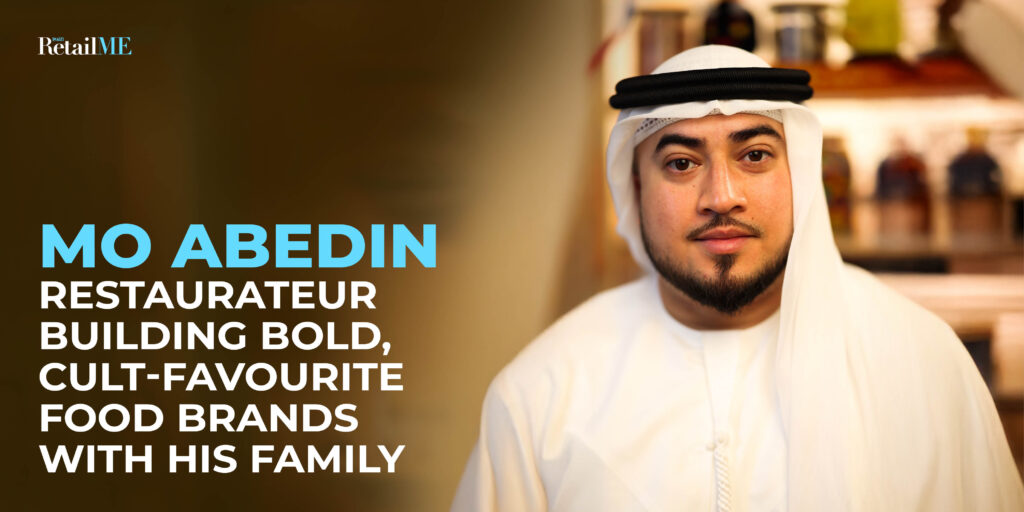
From building Sticky Rice into one of the UAE’s most loved Thai concepts to launching the region’s first tallow-fried chicken brand, Mo Abedin has never been interested in following the crowd. With Kew’s, he is taking a globally familiar format and giving it a sharper, more distinctive edge through premium beef tallow, Thai-inspired flavours and a fiercely focused approach to product.
After gaining strong traction at Yas Mall, Kew’s has now arrived in Dubai with a new opening in Jumeirah Village Circle, co-located alongside Sticky Rice. In this conversation, Mo talks about why he believed there was still room in the market for another fried chicken concept, what consumers are really responding to, and why building a cult brand is as much about consistency and storytelling as it is about flavour.
Kew’s sits at the intersection of nostalgia and novelty. What was the insight that made you bet on tallow-fried chicken in a market already saturated with fried formats?
It came down to understanding what was already working and then finding the white space within it. Fried chicken had always been one of the most popular items at Sticky Rice, but there was a disconnect. People did not necessarily associate fried chicken with traditional Thai cuisine.
That showed us there was room for a standalone concept. Tallow frying was not about being different for the sake of it. It was about improving flavour, texture and consistency. In a market already crowded with fried chicken brands, those small details become the difference.
Today, Kew’s is the region’s only tallow-fried chicken concept, and that is what truly sets us apart.
You built Sticky Rice on authenticity. How do you ensure Kew’s does not dilute that DNA while stepping into a more experimental, mass-appealing category?
The category may have mass appeal, but Kew’s has been built with the same values that shaped Sticky Rice. We do not compromise on quality and we only build around products we genuinely believe in.
The tallow-frying method gives the chicken a premium, natural finish and creates the signature crunch we were looking for. At the same time, we have been careful not to dilute the brand in trying to appeal to everyone. We understand the gap we are filling, and that clarity makes it easier to stay true to who we are.
Being the first tallow-fried chicken concept in the Middle East is a strong differentiator. How defensible is that edge as the category inevitably gets crowded?
Being first gives us a head start, but hospitality in Dubai moves at the speed of a pressure cooker with a rocket strapped to it.
The real advantage is not simply the method. It is how deeply we understand the product and how consistently we deliver it. We continue to refine the flavour profile, improve the experience and build a connection with our customers.
What we are creating is not just a fried chicken brand. It is a community-driven concept with a very specific identity, and that is much harder to replicate.
The Dubai expansion follows strong traction in Yas Mall. What specifically did that first location teach you about consumer appetite, pricing and repeat behaviour?
Yas Mall was a natural first step because Sticky Rice already had a strong presence there and the mall is such a central part of the Abu Dhabi community.
What it taught us was simple: if the product is good and consistent, people come back. We also learned that consumers are more value-conscious than many brands assume. Perceived value matters just as much as quality.
The experience also reinforced the importance of a focused menu. Customers respond well when the offer is clear and uncomplicated. It makes decisions easier for them and operations easier for us.
You have consciously moved away from seed oils. Is this a culinary decision, a health position or a branding lever?
It started as a culinary decision. Tallow gave us a better end product. The flavour is richer, the texture is sharper and the finish is cleaner.
But consumers today are also paying much closer attention to ingredients and preparation methods. That awareness has naturally become part of the conversation around the brand.
We never introduced the method as a marketing tactic. The focus was always on making the best-tasting product possible. Everything else followed from there.
Kew’s menu blends Thai flavour profiles with a globally familiar format. How do you strike the balance between approachability and authenticity?
For us, it is about restraint. Fried chicken is already a format people know and love. The Thai flavours are there to elevate the experience, not overpower it.
We keep the menu simple and approachable, while using flavour as the secret ingredient hidden in plain sight. It is less a fireworks display and more a quiet spark that keeps people coming back for another bite.
Co-locating Kew’s with Sticky Rice in JVC is an interesting format play. Is this a model you plan to replicate?
At this stage, the co-location model makes a lot of sense. It creates operational efficiencies and allows us to build on an existing customer base and community.
But scalability is never one-size-fits-all. Every location has to make sense in its own context. Expansion is definitely part of the roadmap, but the priority is making sure we can maintain the same consistency and quality as we grow.
From a business perspective, what are the advantages of a focused concept like Kew’s versus a broader cuisine-led restaurant?
A focused concept gives you greater control. Operationally, it is easier to manage, easier to maintain and easier to execute consistently.
It also allows you to perfect what you do. Instead of trying to be everything to everyone, you can become exceptional at one thing. In an uncertain market, that level of focus becomes a competitive advantage.
For us, Kew’s and Sticky Rice are both built around a very specific sense of product, passion and community.
The brand has a strong emotional layer rooted in your own story. How consciously are you building storytelling into the customer experience?
The storytelling has always come naturally because it comes from something real. The brand is rooted in family, culture and the experience of growing up around food.
We do not try to oversell that story. But we are conscious of how it comes through in the experience. Food has a way of connecting people across cultures, and many customers recognise something familiar in that.
When the story is genuine, it becomes part of why people connect with the brand and why they come back.
Looking ahead, what does expansion for Kew’s look like? More UAE clusters first, or a broader GCC play?
The immediate focus is on strengthening the UAE footprint. We want to build a stronger base here before moving further afield.
Beyond that, GCC expansion is a natural next step, but only if it is done with intention. Every market is different, and the timing has to be right.
The goal is not to grow quickly for the sake of growth. It is to grow steadily, while making sure every new location delivers the same quality, consistency and character that made the first one work.



Watsons to open 20 new stores in the GCC
In 2020, global health & beauty retailer AS Watson Group signed its
April 29, 2024 | By Rupkatha BBeyond the Bouquet: Why Trust Is Becoming the New Currency of Gifting
From a Single Coffee Machine to a Regional Coffee Empire: The Coffee Planet Story
/ 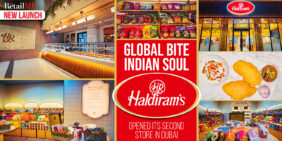
For decades, Haldiram’s built deep recall across the UAE through its packaged
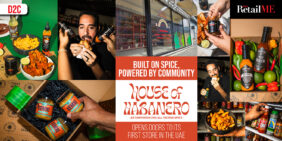
When House of Habanero opened its first physical location at Alserkal Avenue

Union Coop has completed a significant expansion of its Hatta Souq branch,

Saudi Arabia is set to welcome U.S. food exporters this week, as

Majid Al Futtaim has officially entered the discount retail segment with the

As convenience increasingly becomes currency in the region’s grocery landscape, Union Coop

As wellness becomes a lifestyle in the UAE, the grocery aisle is

Grandiose, one of the leading grocery retailers in the UAE with a

With shifting consumer behaviour, rising cost pressures, regulatory changes, and rapid digitization,

Union Coop’s blend of retail expansion, digital innovation, and community focus is

Abu Dhabi-based MAIR Group has marked a pivotal stage in its transformation

In a move that blurs the line between shopping and investing, Apparel
/ 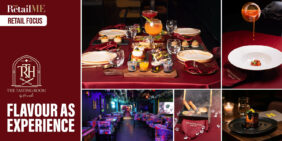
Tableside theatre, burrata cracked over butter chicken, a Laal Maas Cigar —
For decades, Haldiram’s built deep recall across the UAE through its packaged

In hospitality, brands are often discussed as concepts. But the strongest ones
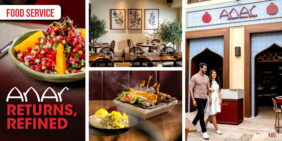
At Souk Madinat Jumeirah, with the Burj Al Arab rising quietly in
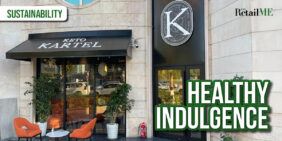
Keto Kartel has entered the UAE’s premium wellness food space at a
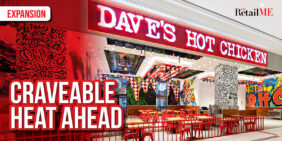
With at least seven stores now operating across the country—mainly in Dubai,

The UAE Restaurant Group (UAERG), the official representative body of the country’s
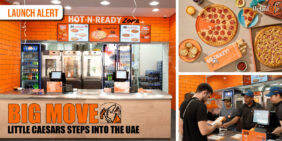
As one of the world’s largest pizza chains, Little Caesars is making

Experiential dining has transformed the restaurant industry inculcating multi-sensory gastronomy to Instagram-worthy

From predictive inventory to robot deliveries, technology is reshaping the hospitality industry

The food service industry in the Middle East is being ushered into





 Previous Article