
The food service industry in the Middle East is being ushered into an era where iconic brands are maneuvering cafes to become third spaces and lifestyle hubs. Anchored by themes such as rapidly transforming lifestyle ecosystems, consumer rituals, urban experiences, and retail innovation, the panel moderated by Sukalp Tipre, Principal – Consumer & Retail, Strategy solicited wisdom from a diverse lineup of trailblazers redefining the café experience.
Preserving Heritage While Embracing Growth
The evolution of Dubai’s F&B landscape has been nothing short of exceptional. Over time, it has shown a mutually inclusive growth with regional dynamics such as tourism and the thriving restaurant space.
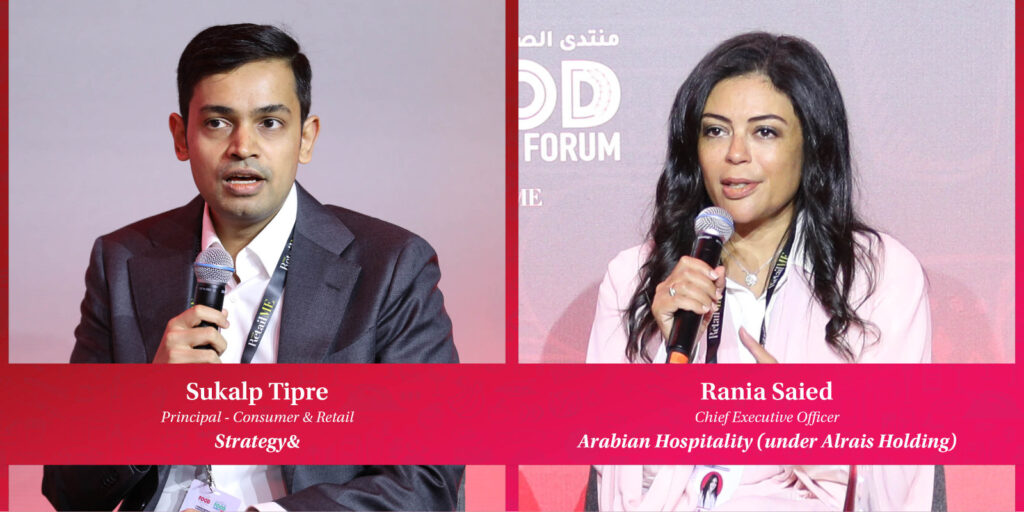
Rania Saied, CEO, Arabian Hospitality reflected on the dramatic evolution of Dubai’s hospitality scene since the brand’s inception in 1997. “When we started Arabian Tea House, Dubai was attracting only 1.7 million visitors compared to 18 million in 2024,” she explains. “We had fewer than 1,000 restaurants then, and now we have over 13,000 in the UAE.”
The brand’s success lies in its commitment to preserving Emirati culture while adapting to changing market dynamics. “We transformed the Emirati cuisine that everybody eats at home into an offering where people could actually enjoy the culture in a restaurant setting,” Rania noted. This cultural preservation strategy has enabled Arabian Tea House to expand beyond dining, launching Arabian Farmhouse for ingredient sourcing and Arabian Boutique Hotel to offer an immersive traditional experience.
Sustainability as Brand DNA
The inspiration behind a brand’s inception remains a constant anchor in driving purposeful growth and fostering community connect. For Ola Sinno, Co-founder Spill the Bean, sustainability isn’t just a marketing buzzword, it’s fundamental to her brand’s identity. “When we started, it was never purely an investment. It was a passion project about what a coffee shop in this day and age should be like,” she explained.
On the one hand, with the first outlet being located in the Sustainable city, the consumers were aware about sustainability. Yet, the brand’s approach to sustainability went beyond conventional practices. One standout initiative was their “mug library”, which is a collection of donated ceramic mugs that customers can borrow when they forget their reusable cups. “A lot of these initiatives show that they are real. It’s not marketing, it’s not following trends,” Ola emphasised. This authentic approach has helped build a loyal customer base that views sustainability as a lifestyle choice rather than a temporary trend.
Creating Synergies Across Verticals
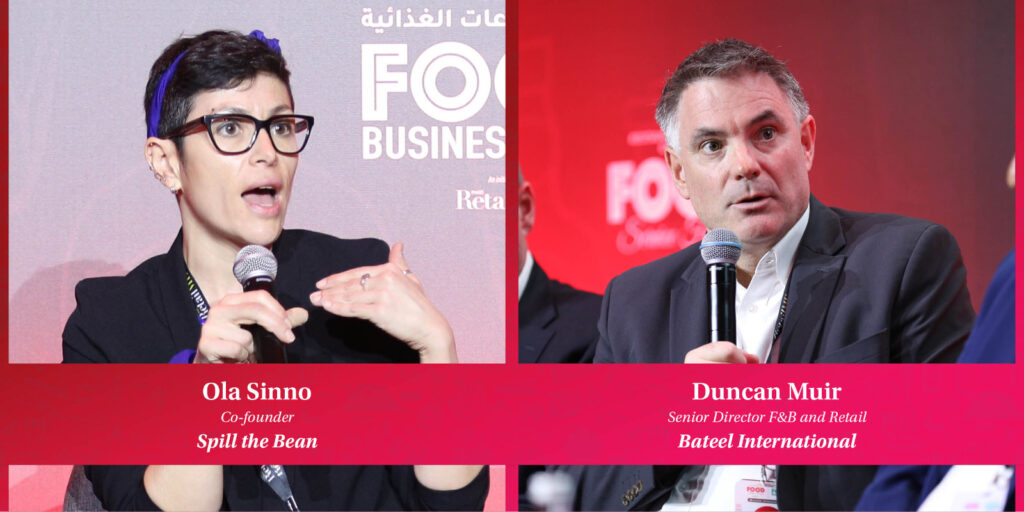
The fundamental identity of a brand is an undeniable element of growth, a principle that remains valid for Bateel even today. At the panel, Duncan Muir, Senior Director – F&B and Retail Bateel International demonstrated how established brands can successfully diversify while maintaining their core identity. With a 32-year legacy in premium dates, Bateel leveraged its brand equity to launch Cafe Bateel 15 years ago, followed by the smaller-format Bateel El’an coffee shops.
“Quality, high-quality ingredients, and maintaining impeccable standards—that DNA we’ve had to replicate across all three verticals,” Duncan explained. Each vertical serves different customer bases while remaining under one central umbrella, creating a cohesive brand experience that spans retail and dining.
Innovation Through Cultural Fusion
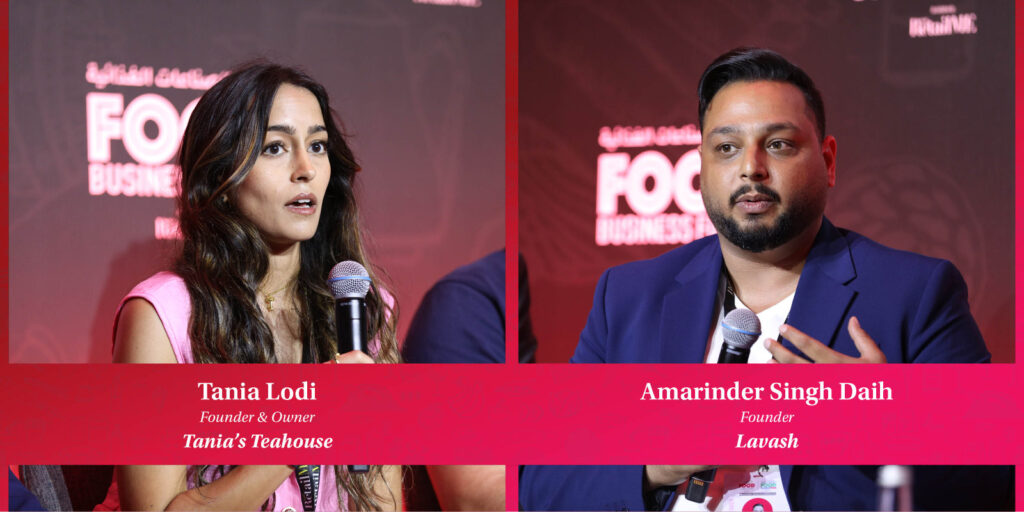
Amarinder Singh Daih, Founder, Lavash, which despite being just one year old brand, captured the panel’s attention with its “dine around the world” concept. “This kind of concept would not have been possible anywhere else except Dubai,” he noted, crediting the city’s multicultural environment for enabling a menu that spans Norwegian benedict to Sri Lankan specialties.
The brand is pioneering augmented reality integration, developing AR menus that project food visually before customers order. “We’re working on the AR bit where we can project the food coming to the table before you even order it,” Amarinder explained, suggesting this technology will eventually replace traditional menu systems.
Wellness as Community Building
F&B brands as catalysts for cultural exchange rely on the power of storytelling to foster community connection. Within this context, Tania Lodi, Founder & Owner, Tania’s Teahouse discussed how she transformed personal health challenges into a business philosophy centered on accessible wellness. Diagnosed with lupus and Lyme disease, she channeled her “pain into passion” to create a space that goes beyond food service.
“I wanted to utilise the power we have in hospitality where you can make or break someone’s day,” Tania explained. The brand offers healing teas and adaptogens while hosting events that encourage creativity and connection. “The world is heavy right now and we need to focus on kindness and community,” she added.
Building Community Through Consistency
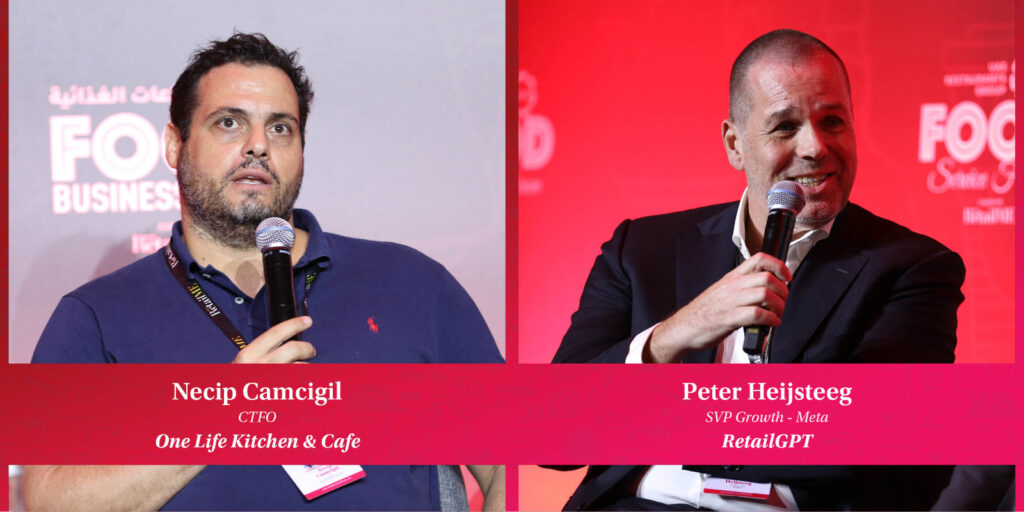
Neci Camcigil, CTFO, One Life Kitchen and Cafe has spent a decade perfecting the art of customer relationships through consistent innovation. When early customers complained about menu repetition after just three weeks, the brand made a radical decision: change the salad offerings daily.
“For 10 years now, we have 10 salads on the counter every day which are different from the day before,” Necip explains. With 74 salads rotating over five weeks, customers can have different combinations daily. This approach, combined with staff empowerment to build genuine relationships, has created authentic community connections.
Technology as an Enabler, Not a Replacement
On the technology end of things, Peter Heijsteeg, SVP Growth, Meta – RetailGPT, emphasized that while AI and data analytics can enhance customer understanding, the human element remains crucial. “Retail in general, and the food business in particular, is a people’s business,” he noted.
Current technology enables brands to know more than the typical 14% of customers that most retailers recognise. Moreover, this knowledge transcends surface level details like phone numbers to encompass preferences and other details that take personalisation capabilities a notch higher. “How great would it be if you could reach out to everyone that fits a certain profile that would probably love to drive 10 miles to bring a mug, have a coffee,” Peter suggests, referencing Spill the Bean’s mug library concept.
Looking Forward: Authenticity, Innovation, and Human Connection
As the panel concluded, each panelist shared their excitement for the industry’s future direction:
While technology enables better operations and customer understanding, the future of Dubai’s cafe culture lies in authentic human connections, consistent innovation, and brands that serve as genuine community anchors rather than mere dining destinations.



Watsons to open 20 new stores in the GCC
In 2020, global health & beauty retailer AS Watson Group signed its
April 29, 2024 | By Rupkatha BAsda and Deliverect Deepen Partnership to Power Rapid Delivery Across Asda Express
SQUATWOLF’s Kuwait Flagship Store Anchors Its Regional Growth Ambitions
/ 
For decades, Haldiram’s built deep recall across the UAE through its packaged
When House of Habanero opened its first physical location at Alserkal Avenue

Union Coop has completed a significant expansion of its Hatta Souq branch,

Saudi Arabia is set to welcome U.S. food exporters this week, as

Majid Al Futtaim has officially entered the discount retail segment with the

As convenience increasingly becomes currency in the region’s grocery landscape, Union Coop

As wellness becomes a lifestyle in the UAE, the grocery aisle is

Grandiose, one of the leading grocery retailers in the UAE with a

With shifting consumer behaviour, rising cost pressures, regulatory changes, and rapid digitization,

Union Coop’s blend of retail expansion, digital innovation, and community focus is

Abu Dhabi-based MAIR Group has marked a pivotal stage in its transformation

In a move that blurs the line between shopping and investing, Apparel
/ 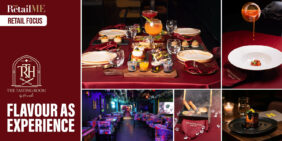
Tableside theatre, burrata cracked over butter chicken, a Laal Maas Cigar —
For decades, Haldiram’s built deep recall across the UAE through its packaged

In hospitality, brands are often discussed as concepts. But the strongest ones
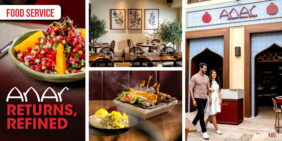
At Souk Madinat Jumeirah, with the Burj Al Arab rising quietly in
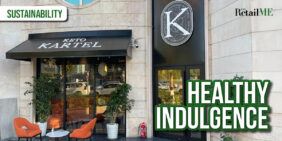
Keto Kartel has entered the UAE’s premium wellness food space at a

With at least seven stores now operating across the country—mainly in Dubai,

The UAE Restaurant Group (UAERG), the official representative body of the country’s
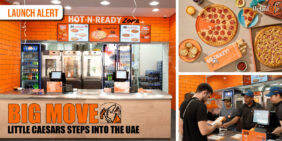
As one of the world’s largest pizza chains, Little Caesars is making

Experiential dining has transformed the restaurant industry inculcating multi-sensory gastronomy to Instagram-worthy

From predictive inventory to robot deliveries, technology is reshaping the hospitality industry





 Previous Article