
For years, success in GCC food service was measured in openings. New locations, new markets, new formats, and ambitious growth plans dominated industry conversations. The region’s appetite for dining out, coupled with a rapidly expanding population and tourism sector, created an environment where expansion often became the headline metric of success.
But as the market matures, a different conversation is beginning to take shape. Rising operating costs, increasingly discerning consumers, tighter investor scrutiny and more intense competition are forcing operators to rethink what growth actually means. Opening a restaurant is still important. Keeping it relevant, profitable and trusted years later is becoming the harder challenge.
The next phase of GCC food service may not belong to the fastest-growing operators. It may belong to those who endure.
Why Customer Loyalty Matters More Than Ever
For Dr. Tapan Vaidya, Group Chief Executive Officer of PJP Investments Group LLC, the foundations of endurance were laid almost two decades ago. When Papa Johns opened its first UAE restaurant at Mall of the Emirates on the day the mall itself opened, the launch looked like an instant success. The restaurant was busy, the footfall was enormous and the visibility was unmatched.
Yet the experience revealed an important lesson.
“What we got right was visibility. What we got wrong was a misread of our own purpose,” says Vaidya.
The company realised that its long-term opportunity was not about building destination restaurants. It was about becoming a neighbourhood pizza brand capable of reaching households quickly with a product that arrived fresh, hot and consistent every time. That shift in thinking ultimately shaped how the business approached growth.
Looking back, Dr Vaidya believes the GCC market itself has undergone a similar evolution.
“The biggest shift in this market over two decades is that speed, freshness and convenience are now the minimum expectation, not a differentiator. The operators who endure are the ones who have built their networks around the home.”
The observation sits at the heart of a philosophy he has long championed: prioritising return of customer over return on investment.
“Take such great care of every customer, every transaction, that the customer has no reason to go anywhere else. When customers come back, you see real, sustained growth. If you take care of return of customer, return on investment takes care of itself.”
In a maturing market, that distinction has become increasingly important.
The easy growth years are largely over. Acquiring new customers is more expensive, competition is more intense and consumers have more choices than ever before.
“You cannot grow simply by acquiring new customers at the pace you once could. What you have, and what you must protect, is the loyalty of people who already know you. A business that chases margin at the expense of the customer experience is quietly eroding the one asset it depends on most.”
That long-term mindset also shapes how Dr Vaidya thinks about expansion.
Rather than focusing solely on whether a new store cannibalises a neighbouring location, he looks at whether it strengthens the network as a whole.
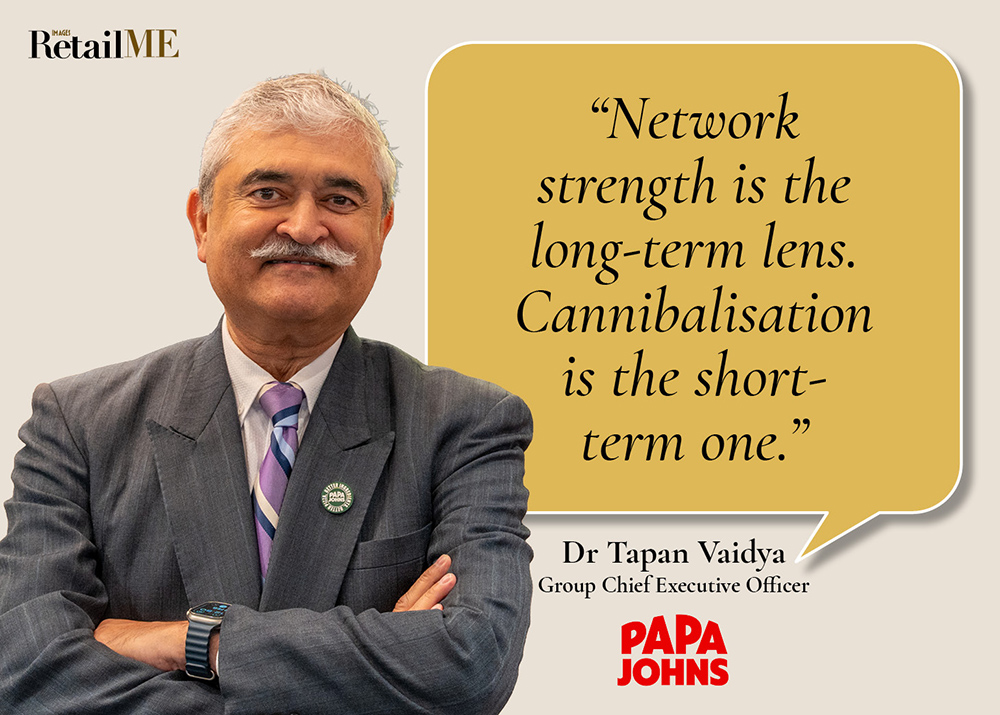
“The question most developers skip is this: does this location add to awareness, or does it simply redistribute existing demand?” he says. “Cannibalisation is a real phenomenon, but it is a short-term lens. Network strength is the long-term one.”
Ultimately, however, he believes the industry’s future will still be decided by fundamentals.
“Across forty years and many different brands and formats, I have always come back to the same two things: product quality and shop floor execution. The fundamentals are not glamorous. But they are what endure.”
The Concepts That Last
If Dr Vaidya’s perspective is rooted in decades of operating experience, Panchali Mahendra, Global CEO of Artelier Hospitality, approaches endurance through the lens of concept creation and hospitality development.
For her, Michelin-starred 11 Woodfire offers one of the clearest lessons in what long-term relevance actually looks like.
“When a restaurant is lucky enough to be part of the very small global universe of Michelin-starred restaurants, and then retain that recognition over consecutive years since Michelin came to Dubai, it teaches you something very important: what works well will always work well.”
Guests may remember the atmosphere, the food and the storytelling, she says, but longevity is built elsewhere.
“The sourcing, the training, the service rhythm, the consistency, the way the team responds under pressure, all of that is what keeps a restaurant alive after the first wave of attention.”
That distinction matters because GCC consumers have changed dramatically.
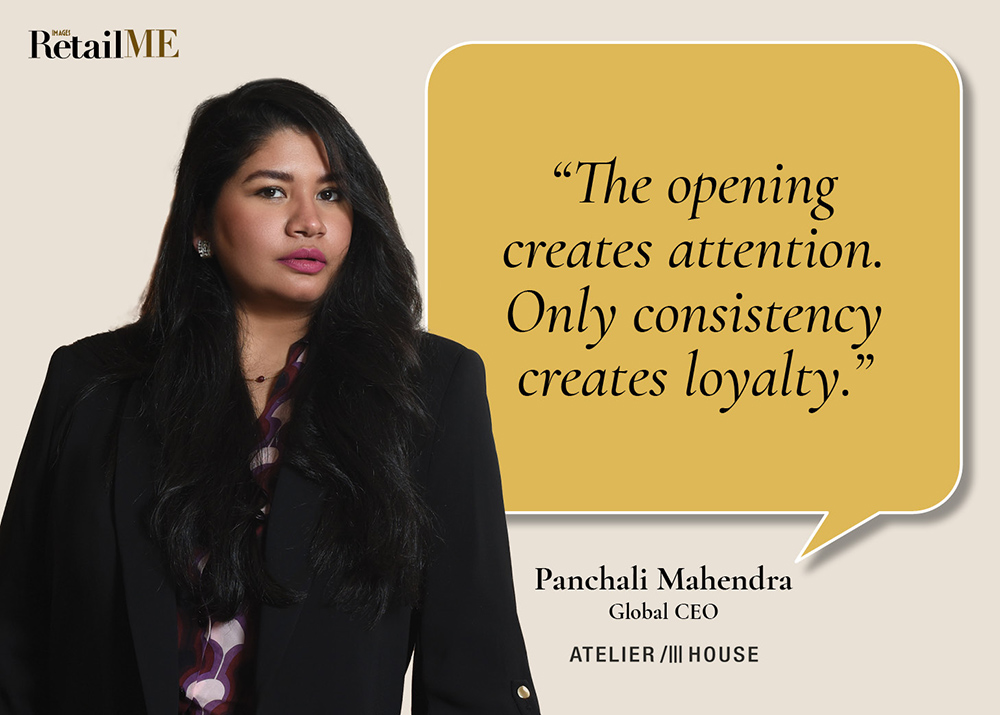
“People have seen beautiful rooms, imported brands, celebrity chefs and high-production launches. That alone is no longer enough. The opening creates attention, but only consistency creates loyalty.”
Across concepts such as 11 Woodfire, Mohalla, Gerbou, Tezukuri, SoBo 20 and INJA, Mahendra says the starting point is never trend chasing.
“When we build a concept, we never start with what is fashionable. We start with the spine of the restaurant. What is the emotional idea? What is the food philosophy? What is the service style? What should the guest feel when they leave?”
She points to INJA, the group’s Indian-Japanese concept, as an example.
“If the food had not backed the idea, the concept would have collapsed very quickly. But the intention was not to chase novelty. It was to create a thoughtful conversation between two cultures, with real culinary discipline behind it.”
For Mahendra, the strongest concepts are understanding the difference between a trend and a genuine shift in consumer behaviour.
“A trend is usually loud and short-lived. A shift tells you something deeper about how guests are changing, how they want to eat, how they want to spend time and what they now value.”
The best operators, she argues, strike a delicate balance.
“Staying power comes from being both rooted and responsive. You cannot be rigid, but you also cannot be restless.”
The Industry’s New Obsession: Unit Economics
If customer loyalty and concept clarity are two pillars of endurance, financial discipline may be the third.
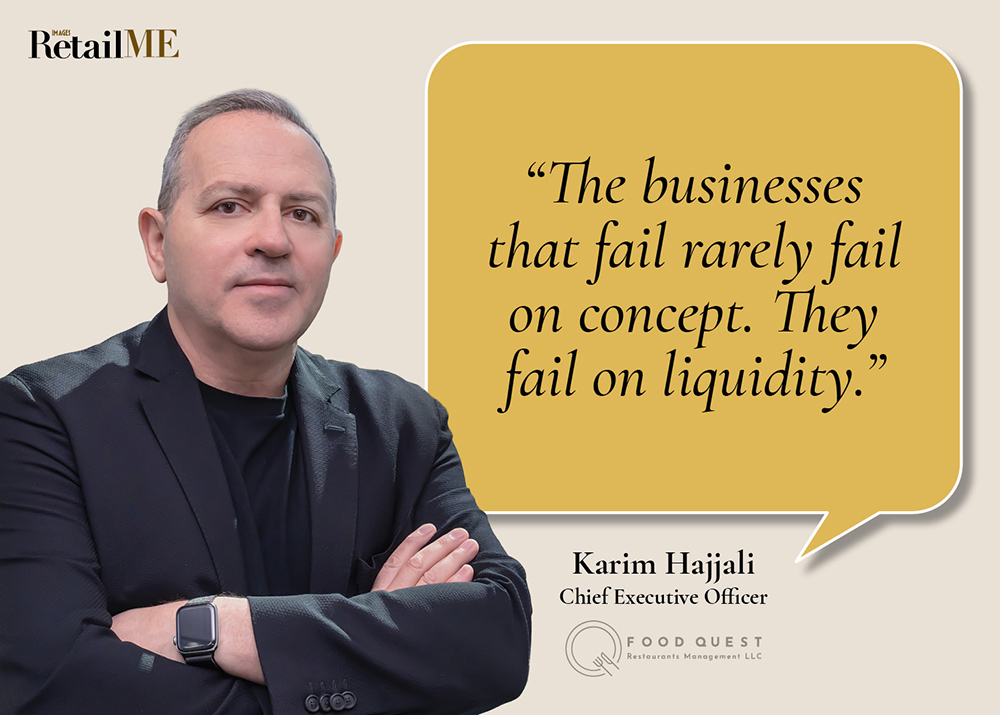
Karim Hajjali, Chief Executive Officer of Food Quest Restaurant Management LLC, believes the industry’s definition of success has fundamentally changed over the past five years.
“Five years ago the market rewarded speed and visibility. If you could open quickly in the right location and generate buzz, you were considered successful.”
Today, rising costs, tighter margins and more cautious consumers have altered the equation.
“What it takes to succeed now is discipline. The ability to hold your pricing and your standards through a difficult patch rather than chasing the next opening.”
The change is perhaps most visible in conversations with investors.
“A few years ago, a new opening was a headline in itself. Today, the first question from any serious investor or partner is about unit economics, repeat custom and resilience through a downturn.”
The operators facing challenges, he says, are not necessarily the ones that grew too slowly.
“The businesses that have struggled recently are not the ones that grew too slowly. They are the ones that grew without a foundation underneath them.”
For Hajjali, endurance comes down to three practical disciplines: managing costs actively, making difficult pricing decisions and maintaining liquidity.
“The businesses that fail in this region rarely fail on concept. They fail on liquidity.”
It is a statement that cuts through much of the romance associated with the restaurant industry. Strong ideas matter. Great food matters. Brand building matters.
But without financial resilience, none of them are sustainable.
“Endurance is the capacity to keep your cost base, pricing discipline and cash position intact through a period where revenue is under pressure.”
Many of the factors that determine survival, he argues, rarely make headlines.
“Consistency of product and service. Labour productivity. Supply chain reliability. A grip on controllable costs. None of these are exciting, but they are the difference between a brand that survives a tough year and one that does not.”
His warning for new entrants is equally blunt.
“The market will always give you a strong first few months on curiosity alone. The hard part is month thirteen, when the novelty has gone and you are left with your fundamentals.”
Scaling Without Losing Yourself
If economics determine whether a restaurant survives, systems determine whether it can grow without losing its identity. That challenge sits at the heart of Barn’s, one of the region’s largest homegrown coffee brands, which today operates more than 900 outlets across drive-thru, café, lounge and express formats.
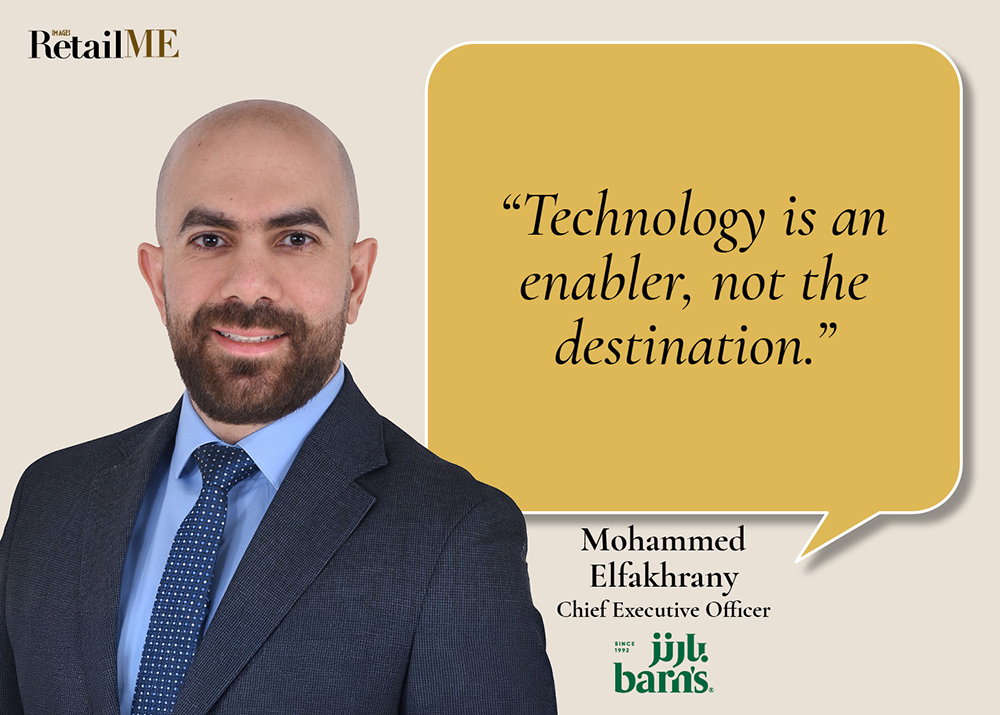
For Mohammed Elfakhrany, Chief Operating Officer of Barn’s, consistency is the ultimate measure of endurance.
“Growth is about making sure every store delivers the same quality and experience. That takes a lot of work behind the scenes.”
The company’s vertically integrated model has become a critical advantage in achieving that consistency.
“From sourcing and roasting to distribution and serving the cup of coffee, we oversee every step. That gives us control over quality and helps ensure that a customer gets the same experience whether they’re visiting us in Saudi Arabia or any other market.”
That level of control has become increasingly valuable as coffee prices reach record highs and global supply chains face mounting pressure.
“Because we’re involved throughout the value chain, we can take a longer-term view of the business, respond more effectively to changing market conditions and continue delivering value to our customers and partners.”
Much of the Barn’s network operates through franchise partnerships, making operational alignment just as important as supply chain control.
“We see franchisees as long-term partners in building the brand, not simply operators. We focus on partnering with people who share our values, believe in the brand and are committed to delivering a great customer experience.”
As Saudi Arabia matures and international expansion opportunities grow, Elfakhrany believes success increasingly comes down to disciplined decision-making.
“There are always more opportunities than resources, whether that’s capital, talent, management attention or attractive locations.”
As a result, growth itself must become more selective.
“Not every opportunity is the right opportunity. The goal is to ensure every growth decision strengthens the business and creates long-term value.”
Technology is helping operators manage that complexity, from demand forecasting and supply chain planning to customer analytics and operational visibility.
But Elfakhrany remains pragmatic about its role.
“Technology is an enabler, not the destination. Customers visit Barn’s for great coffee, convenience and a positive experience.”
The Endurance Era
Taken together, the perspectives of these leaders reveal an industry entering a new phase of maturity. For Dr. Tapan Vaidya, enduring businesses are built on customer trust and repeat visits. For Panchali Mahendra, they are built on concept clarity, operational consistency and cultural relevance.
For Karim Hajjali, they are built on disciplined economics and financial resilience. For Mohammed Elfakhrany, they are built on systems capable of delivering quality at scale.
Each perspective approaches the challenge from a different angle, yet all arrive at the same conclusion. The GCC food service industry is no longer being judged solely by how quickly brands can grow. It is being judged by how well they can endure.
Because in today’s GCC food service market, opening is no longer the achievement. Staying relevant is.



Watsons to open 20 new stores in the GCC
In 2020, global health & beauty retailer AS Watson Group signed its
April 29, 2024 | By Rupkatha B“If not me, then who?” — Inside Luved, the UAE’s New Pre-Loved Marketplace
Sedar Global: 134 Years of Crafting Spaces, Now Reimagining the Future
/ 
For decades, Haldiram’s built deep recall across the UAE through its packaged
When House of Habanero opened its first physical location at Alserkal Avenue

Union Coop has completed a significant expansion of its Hatta Souq branch,

Saudi Arabia is set to welcome U.S. food exporters this week, as

Majid Al Futtaim has officially entered the discount retail segment with the

As convenience increasingly becomes currency in the region’s grocery landscape, Union Coop

As wellness becomes a lifestyle in the UAE, the grocery aisle is

Grandiose, one of the leading grocery retailers in the UAE with a

With shifting consumer behaviour, rising cost pressures, regulatory changes, and rapid digitization,

Union Coop’s blend of retail expansion, digital innovation, and community focus is

Abu Dhabi-based MAIR Group has marked a pivotal stage in its transformation

In a move that blurs the line between shopping and investing, Apparel
/ For decades, Haldiram’s built deep recall across the UAE through its packaged

In hospitality, brands are often discussed as concepts. But the strongest ones
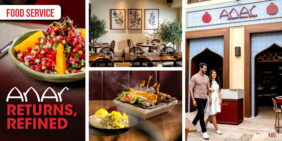
At Souk Madinat Jumeirah, with the Burj Al Arab rising quietly in

Keto Kartel has entered the UAE’s premium wellness food space at a
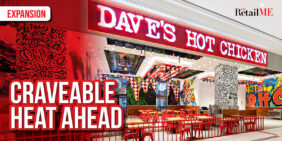
With at least seven stores now operating across the country—mainly in Dubai,

The UAE Restaurant Group (UAERG), the official representative body of the country’s
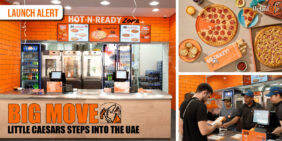
As one of the world’s largest pizza chains, Little Caesars is making

Experiential dining has transformed the restaurant industry inculcating multi-sensory gastronomy to Instagram-worthy

From predictive inventory to robot deliveries, technology is reshaping the hospitality industry

The food service industry in the Middle East is being ushered into

When Mohamed Matar Al Falasi started Saddle Café in Dubai in 2017,





 Previous Article