


As wellness becomes a lifestyle in the UAE, the grocery aisle is undergoing a quiet but powerful transformation. Kombucha now sits alongside cola, mushroom-infused teas compete with sugary beverages, and clean-label snacks challenge conventional indulgences. At the recent panel “From Gut Health to Gourmet,” industry leaders unpacked how functional food is reshaping consumer expectations, retail strategy, and product innovation.
Post-COVID awareness has dramatically elevated consumer interest in health and longevity. “People are not just eating to satisfy hunger; they’re eating to prevent disease,” said Warwick Gird, GM Marketing, Spinneys. Ashwinii Khatavate, Founder & Chief Brand Officer of Rootz Organics noted a sharp rise in demand for unprocessed, organic ingredients rooted in gut health and preventative care. Social media, particularly TikTok, is amplifying this trend, creating viral demand for adaptogens, prebiotics, and wellness-enhancing products.
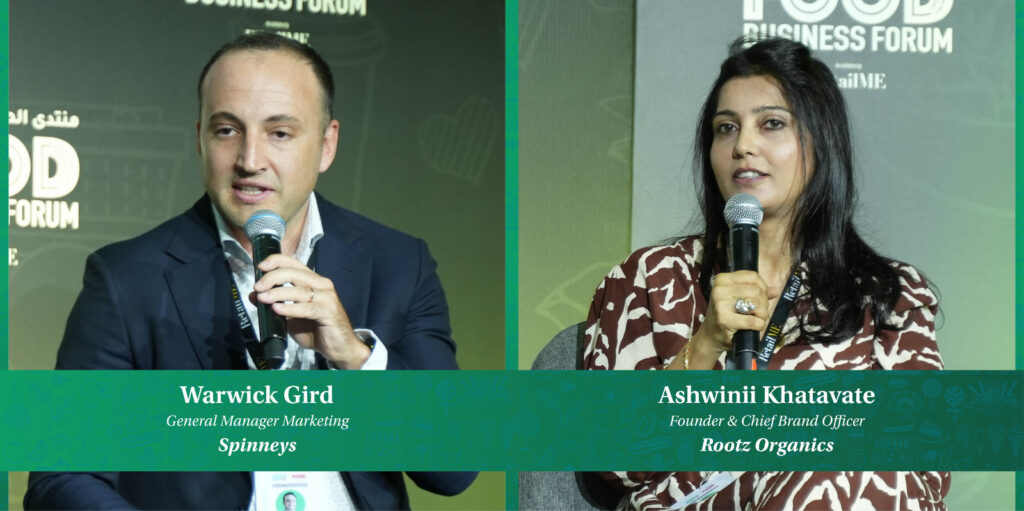
The challenge now isn’t just delivering nutritional value—it’s doing so without compromising taste. “Delicious and functional are no longer separate,” emphasized Thomas Burrett, Head of Marketing of Grandiose. Categories like functional beverages and protein-rich snacks are thriving, with innovation driven by markets like Japan, Sweden, and Australia. Ashwinii highlighted the explosion of mushroom-based drinks and herbal teas, while Chang Sup Shin, CEO and Founder of 1004 Gourmet spotlighted the integration of traditional Asian superfoods like ginseng into mainstream retail.
As functional SKUs multiply, retailers are rethinking shelf strategies. Both Grandiose and Spinneys are experimenting with signposted zones (e.g., “Protein Bay” or “Gut Health”) to simplify navigation in cluttered aisles. Meanwhile, pricing strategies for premium functional foods rely heavily on storytelling and education. “If you want to charge AED 600 for ginseng, the consumer needs to know why,” said Chang, stressing the importance of transparency and heritage-driven narratives.
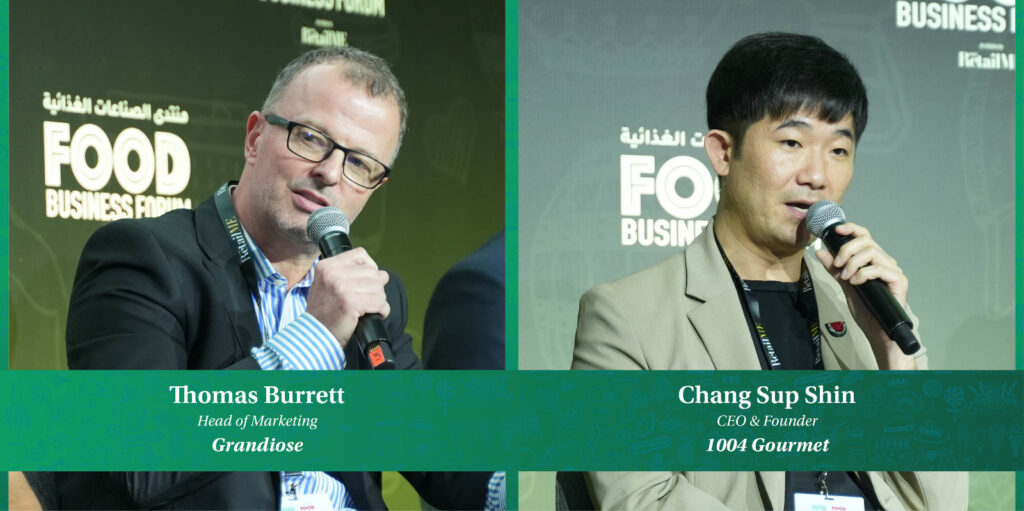
For online retailers like QuicKart, impulse purchases are rare. “Online shoppers are deliberate. They want to know the source, the benefits, and the ingredients,” said Pravin Rai, CEO. This makes data the north star—guiding assortment planning, pricing, and even waste reduction. Thomas added that Grandiose often sees customers discover the brand online before becoming loyal in-store shoppers, underscoring the omnichannel synergy.
Loyalty is no longer just about discounts. Rootz Organics fosters connection through workshops, active communication, and community-building. Grandiose complements this with hands-on classes for kids and adults alike. “Functional food customers want to be informed. That’s how you build real loyalty,” said Ashwinii.
Whether it’s “organic,” “keto,” or “gut-friendly,” clean labels are a currency of trust. However, with thousands of SKUs, retailers face the dual challenge of validating label claims and helping customers navigate complex categories. Warwick emphasized that integrity in labeling—especially in a diverse, regulation-blending market like the UAE—is essential to maintaining brand trust.
Panelists agreed the future lies in personalized wellness. Bespoke nutrition, data-led innovation, and direct-to-consumer models are poised to take centre stage. As Ashwinii put it, “We’re just getting started. Health and wellness isn’t a niche—it’s becoming the new normal.”

Ahmed Daaboul, Senior Account Executive – GCC, Zebra Technologies was the moderator for this panel and he rightfully summed up the conversation as
“Functional food is no longer a niche—it’s mainstream, driven by consumer consciousness, digital influence, and the desire to live better, longer lives. What’s on the shelf today reflects not just taste preferences, but personal health choices and lifestyle shifts.”
Whether in-store or online, functional food is no longer a fringe movement. It’s a fast-growing force redefining how, why, and what we eat—one gut-friendly, nutrient-packed innovation at a time.



Watsons to open 20 new stores in the GCC
In 2020, global health & beauty retailer AS Watson Group signed its
April 29, 2024 | By Rupkatha BAsda and Deliverect Deepen Partnership to Power Rapid Delivery Across Asda Express
SQUATWOLF’s Kuwait Flagship Store Anchors Its Regional Growth Ambitions
/ 
For decades, Haldiram’s built deep recall across the UAE through its packaged

When House of Habanero opened its first physical location at Alserkal Avenue

Union Coop has completed a significant expansion of its Hatta Souq branch,

Saudi Arabia is set to welcome U.S. food exporters this week, as

Majid Al Futtaim has officially entered the discount retail segment with the

As convenience increasingly becomes currency in the region’s grocery landscape, Union Coop

As wellness becomes a lifestyle in the UAE, the grocery aisle is

Grandiose, one of the leading grocery retailers in the UAE with a

With shifting consumer behaviour, rising cost pressures, regulatory changes, and rapid digitization,

Union Coop’s blend of retail expansion, digital innovation, and community focus is

Abu Dhabi-based MAIR Group has marked a pivotal stage in its transformation

In a move that blurs the line between shopping and investing, Apparel
/ For decades, Haldiram’s built deep recall across the UAE through its packaged
When House of Habanero opened its first physical location at Alserkal Avenue
Union Coop has completed a significant expansion of its Hatta Souq branch,
Saudi Arabia is set to welcome U.S. food exporters this week, as
Majid Al Futtaim has officially entered the discount retail segment with the
As convenience increasingly becomes currency in the region’s grocery landscape, Union Coop
Grandiose, one of the leading grocery retailers in the UAE with a
With shifting consumer behaviour, rising cost pressures, regulatory changes, and rapid digitization,
Union Coop’s blend of retail expansion, digital innovation, and community focus is
Abu Dhabi-based MAIR Group has marked a pivotal stage in its transformation
In a move that blurs the line between shopping and investing, Apparel

ADCOOP, the UAE’s community-focused retail pioneer, has officially opened its new flagship





 Previous Article