


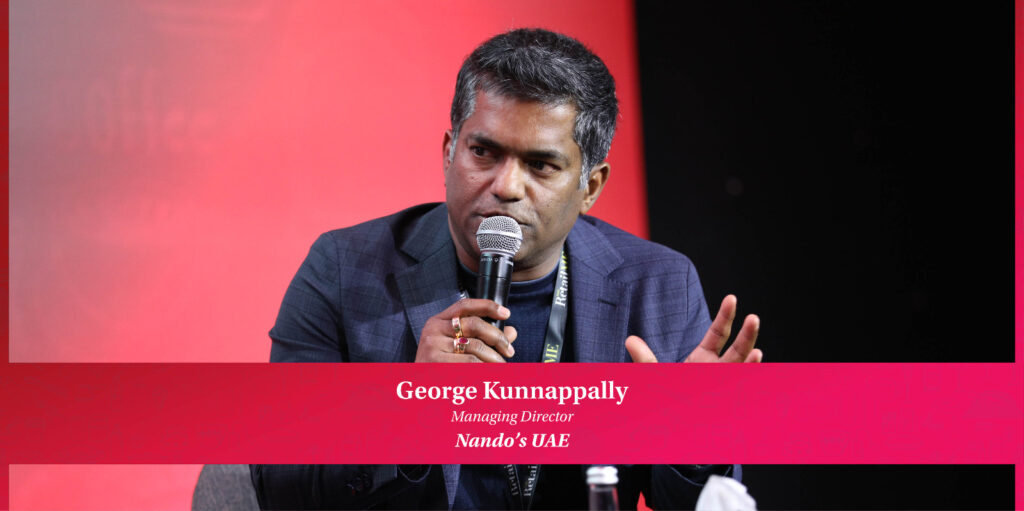
The entrepreneurial journey from a single outlet to a multi-location empire is fraught with challenges that test even the most seasoned business leaders. At the panel discussion moderated by George Kunnappally, Managing Director, Nando’s UAE, four accomplished entrepreneurs from the hospitality sector shared their candid experiences of scaling their businesses, revealing the triumphs, failures, and lessons learned along the way.
“The objective here is to try and share your insights with those in the audience and people who would watch you later to try and inspire them in taking a leap of faith and getting onto that entrepreneurial journey,” George explained as he introduced the diverse panel of industry heavyweights.
Balancing Technology with Authentic Service
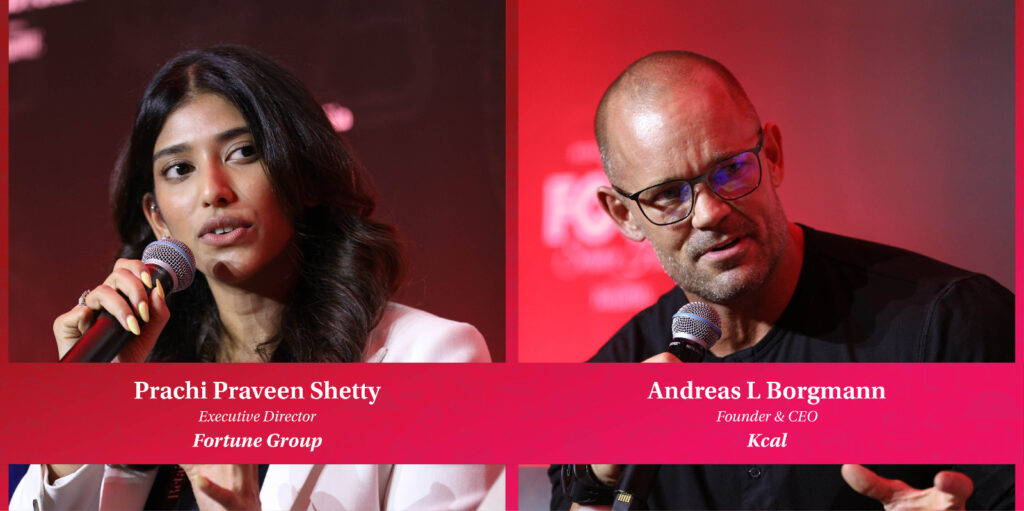
For Prachi Praveen Shetty, Executive Director, Fortune Group, who transformed her father’s budget hotel chain with her finance and hospitality expertise, the key to successful scaling lies in maintaining the human element while embracing technology. When George probed about the challenges of transitioning from an owner-driven small business to a scalable enterprise, her response was clear: “Tech is good, and you should use it in the right places such as data collection, CRM platforms, marketing, or backend operations,” she explained. “But do not lose the essence of human touch.”
This balance becomes even more critical when scaling across multiple properties. With six hotels across Dubai, Prachi ensures consistency while maintaining authentic local connections. “We make sure there’s a proper Mangalorean cook who’s come from Mangalore and is able to deliver that authentic experience to our guests,” she says, emphasising how staying true to core clientele builds lasting loyalty.
When Success Outpaces Planning
When George asked Andreas L Borgmann, Founder & CEO, Kcal, about that pivotal moment when he realized Kcal had wings to scale, his response was refreshingly honest, “You know what I can’t remember because it kind of just flows.” What started as a solution to limited dining options in JLT in 2010 accidentally evolved into a successful restaurant chain. “When we started Kcal, it wasn’t meant to be what it is today,” he admits. “Other people took a liking to it, and you could say we hit the nail on the head.”
The rapid scaling from 3 million to 25 million in revenue within a year brought unexpected challenges. “We went from having an accountant who wasn’t good enough anymore to everything being all over the place,” Andreas recalls. The company didn’t pay its founders for the first three years, reinvesting everything back into growth.
His advice for aspiring entrepreneurs was sobering, “When you do ready-to-go meals, you have a short shelf life, and you’ve got to fight that. Even now, I have sleepless nights thinking about operations.”
Scaling the Soul
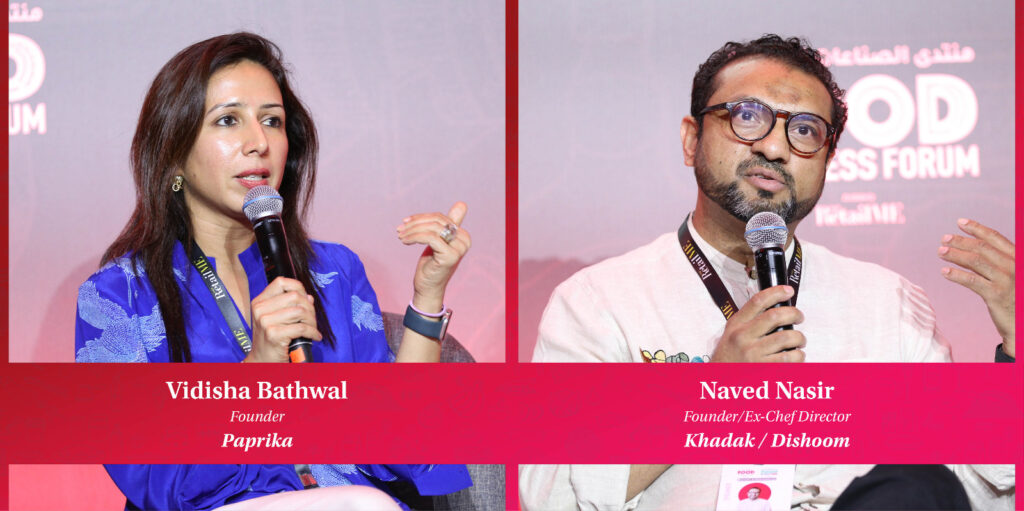
Addressing George’s question about whether scaling was part of her original vision, Vidisha Bathwal, Founder, Paprika highlighted the organic nature of successful growth.
“When you start, it’s like a small baby—you just want to hold its hand and walk,” she reflected. “Slowly, when you see the demand, when people say ‘Why don’t you set up in Bombay, Delhi, or franchise?’ you realize there’s potential.”
The transition from boutique to scalable brand requires a fundamental shift in approach. “You have to codify the soul,” Vidisha explained. “It has to be your essence, your story, your vision, your ethos. If it’s not you, you cannot fool everyone for very long.”
Her scaling philosophy centers on maintaining authenticity while systematising operations. “The brand has to outpace the face of the brand. You’re not just doing a boutique anymore, you’re doing weddings, big events, catering, outstation work. Now the sky is the limit.”
George’s perceptive observation about brand equity resonated throughout the discussion: “Brand equity is always linked to consistency,” he noted, a principle that became evident in each entrepreneur’s approach to scaling.
From Dishoom’s Magic to Kadak’s Innovation
As the youngest executive chef in India to work with a five-star property and creator of Dishoom’s original menu, Naved Nasir, Founder/Ex Chef Director, Kadan/Dishoom understood the unique challenges of scaling creativity. His 14-year journey with Dishoom spanning from a struggling breakfast concept to queues outside every location, taught him valuable lessons about consistency and delegation.
“Dishoom had a very unique problem of over-demand,” he recalled. “When you have people queuing for 45 minutes in gloomy London winter weather, you’re not expecting anything less than brilliant.”
The solution lay in three key areas: people development, strategic use of technology, and open knowledge sharing. “My first sous chef when I was head chef is now Dishoom’s executive chef. We made Dishoom an open book for all our chefs, the recipes weren’t secret. The cookbook is out there with every single recipe.”
After reaching what he calls “the ceiling” of creativity within a scaled operation, Naved launched Kadak in Dubai. “That scale brings limitations as a creative person, and that idea was bothering me for a long time,” he explained. The new venture represented his desire to balance creative freedom with the lessons learned from large-scale operations.
The Rapid Fire Reality Check
When George shifted to rapid-fire questions, the panelists’ responses revealed the unvarnished truth about entrepreneurial life. His playful observation that nobody said my way or the highway highlighted the collaborative leadership styles that had emerged from their scaling experiences.
Brand DNA
Andreas described his brand DNA as “impactful,” while Vidisha called hers “young, vibrant—as hot and spicy as I want it to be.” Prachi summed up her approach in one word: “authenticity.” Naved encapsulated his brand with the phrase, “reviving lost traditions.”
Work-life balance
The consensus was unanimous—it’s largely a myth for entrepreneurs. “When you’re an entrepreneur and you want success, it doesn’t exist,” Andreas stated bluntly. “When your eyes are open, you’re at work.” Vidisha agreed: “It’s a mirage. When I go home, I’m still working. At the gym, I’m still working.” George’s observation resonated: “Every time I ask an entrepreneur, that’s the answer. And I ask a career professional, they say work-life balance is important.” Only Naved offered a different perspective: “If you love what you do, it becomes a celebration. It becomes part of your 24 hours, and you don’t feel bad about it.”
Leadership styles:
Naved described his leadership style as “I’m one of them,” indicating a grounded, collaborative approach. Prachi emphasised “leading with empathy,” while Vidisha characterized her style as “headstrong with dive-in aggression.” Andreas noted his leadership approach combines “taking responsibility, listening, mixed with empathy.”
Biggest scaling mistake
Naved admitted his biggest mistake was “not preparing for the long journey and I underestimated growth twice.” Prachi pointed to “losing sight of existing vision and getting distracted by new ideas.” Vidisha reflected that “mistakes are necessary, you have to feel failure to taste success.” Andreas candidly shared, “not believing in ourselves and hiring wrong and too fast” as his most significant misstep.
Build from scratch vs. acquire
All panelists favoured building from scratch over acquiring. However, Andreas noted that scaling is harder than building, “Hiring is so sensitive in food. If you hire the wrong chef, consistency and quality suffer.”
The next 12 months
Each panelist outlined ambitious but focused plans. Andreas is expanding into Saudi and Kuwait while maintaining his exacting quality standards. Vidisha is populating a new large cloud kitchen. Prachi is growing her FNB brands and creating a more inclusive workplace. Naved is focused on building strong foundations for Kadak.
The conversation revealed that successful scaling requires more than just financial resources and strategic planning. It demands a delicate balance of maintaining authentic brand essence while systematising operations, nurturing human connections in an increasingly digital world, and having the courage to let go of direct control while ensuring consistent quality across all touchpoints.



Watsons to open 20 new stores in the GCC
In 2020, global health & beauty retailer AS Watson Group signed its
April 29, 2024 | By Rupkatha BAsda and Deliverect Deepen Partnership to Power Rapid Delivery Across Asda Express
SQUATWOLF’s Kuwait Flagship Store Anchors Its Regional Growth Ambitions
/ 
For decades, Haldiram’s built deep recall across the UAE through its packaged
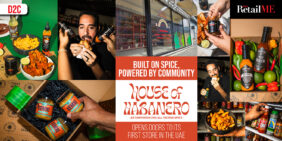
When House of Habanero opened its first physical location at Alserkal Avenue

Union Coop has completed a significant expansion of its Hatta Souq branch,

Saudi Arabia is set to welcome U.S. food exporters this week, as

Majid Al Futtaim has officially entered the discount retail segment with the

As convenience increasingly becomes currency in the region’s grocery landscape, Union Coop

As wellness becomes a lifestyle in the UAE, the grocery aisle is

Grandiose, one of the leading grocery retailers in the UAE with a

With shifting consumer behaviour, rising cost pressures, regulatory changes, and rapid digitization,

Union Coop’s blend of retail expansion, digital innovation, and community focus is

Abu Dhabi-based MAIR Group has marked a pivotal stage in its transformation

In a move that blurs the line between shopping and investing, Apparel
/ 
GCC retail now faces a defining choice: become a destination worth the

Hamat announces the signing of a 10-year agreement with Ground Control Entertainment

SQUATWOLF has opened its first standalone store in Kuwait at The Avenues,

Keto Kartel has entered the UAE’s premium wellness food space at a

With the signing of a landmark partnership between Wafi Group and ALMAD

Under the patronage of His Royal Highness Prince Saud bin Mishaal bin

Inside Dubai’s newest culinary theatre where memory, art, and modern craft come

Majid Al Futtaim is strengthening its lifestyle portfolio with a move into

Liali Fine Jewellers is a Dubai-based jewellery brand established in 1999. Over

From frictionless checkouts to AI-powered inventory, retail’s digital backbone took center stage





 Previous Article