
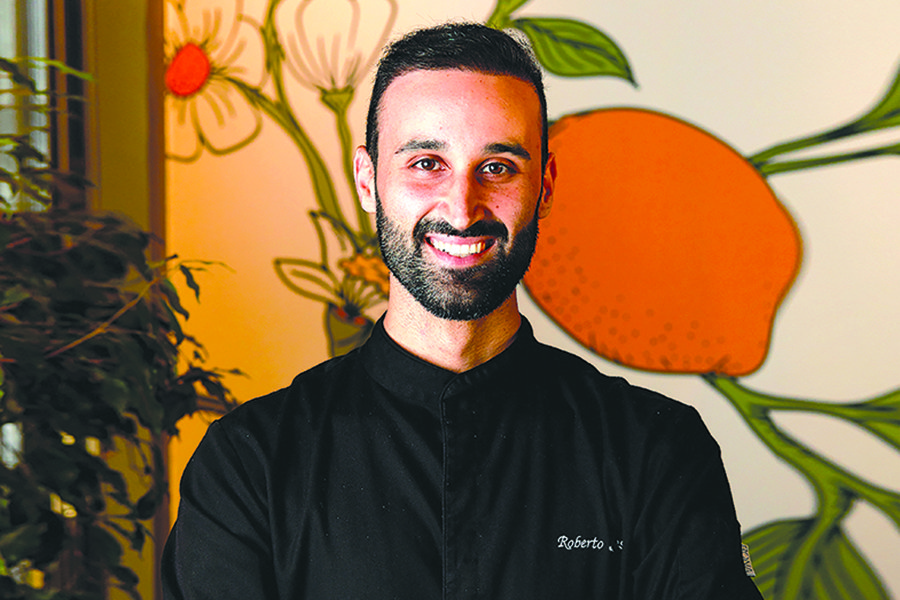
Five trends shaping F&B in 2023: Chef Roberto Senese, Carluccio’s GCC
The F&B industry literally covers everything in between farm and table. This includes food producers, sourcing, processing, packaging, distribution networks, storage, food prep, hotels, bars & restaurants and a lot more.
Food trends are shaped by consumer preferences that are directly or indirectly influenced by varied lifestyles, advances in technology, shifts in the global economy, sustainability, carbon footprint and a host of other factors. In recent years, there has been growing awareness about the importance of sustainable and mindful practices within the F&B industry, including local sourcing, reducing food waste and use of biodegradable packaging.
For restaurants, home deliveries soared during the pandemic offering customers convenience and widespread choice at the tips of their fingers. World events disrupted supply chains forcing teams to plan much ahead than they would otherwise looking at alternative sourcing and more.
Casual dining restaurants are seeing heathier additions to their menus. Quick service restaurants (QSR) can be seen using marketing messaging that talk about freshly made suggesting healthier or better choices.
Trends come and go but some are here to stay for a while, stressed Chef Roberto Senese, Executive Chef, Carluccio’s GCC.
Five trends expected to dominate the F&B industry in the near future:
Heathier choices with plant based and alternative proteins: Health has become a major focus since the past couple of years (some would argue, since forever). Getting outdoors, staying fit, eating smart, personal training, use of smart watches, diets like Keto, OMAD [one meal a day], vegan and others dominate this space. As a result of this heightened awareness, the demand for plant-based and alternative proteins will grow and so will developments of new products that cater to these needs. F&B companies are introducing more vegan options to their menus. There is also a growing interest in new protein sources such as plant-based meat substitutes. On the beverage side, there are a host of traditional alcoholic beverages offering 0% alcohol attracting a whole new consumer base.
Sustainability and waste reduction: As the impact of climate change becomes increasingly apparent, there is a growing demand for more sustainable and eco-friendlier F&B practices. This includes reducing food waste, using biodegradable packaging materials and sourcing local and organic ingredients. Not only does sustainability make good CSR messaging, but it also makes real word impact when done collectively. We are in the nascent stages of sustainability. Some countries more advanced than others. But this is here to stay.
Technology-driven convenience: Technology is transforming the F&B industry with innovations such as mobile ordering, self-service kiosks, pay-at-the-table and delivery apps providing new levels of convenience and efficiency. As technology continues to evolve, we can expect to see even more innovations that make the F&B experience more convenient and personalised.
Home-grown brands: Closer to home, in the GCC (KSA in particular) home-grown brands dominate the F&B scene. From cafés to casual dining local patrons flock to these brands more than legacy brands. While this is established in KSA, it is an emerging trend in the rest of the GCC with several locally inspired home-grown brands not only carving themselves a niche in their home market but some exporting their brand internationally as well. Home-grown brands are fresh, dynamic, agile, creative, bold and sometimes even cost effective – the perfect recipe to capture market share and dominate.
Experiential dining: Experiential dining refers to a type of dining experience that goes beyond just eating a meal. It involves creating an immersive and memorable experience for diners, often using interactive elements, unique themes, theatrics, flair and creative presentation. Experiences may include dining up in the sky, blind tasting, intimate dining pods and chef-led workshops that offer a behind-the-scenes and an intimate look at the food preparation process, and so on. Experiential dining caters to a niche to those who desire much more than food and service.



Watsons to open 20 new stores in the GCC
In 2020, global health & beauty retailer AS Watson Group signed its
April 29, 2024 | By Rupkatha BAsda and Deliverect Deepen Partnership to Power Rapid Delivery Across Asda Express
SQUATWOLF’s Kuwait Flagship Store Anchors Its Regional Growth Ambitions
Global beauty icon Ulta Beauty to make Riyadh debut at Panorama Mall
/ 
For decades, Haldiram’s built deep recall across the UAE through its packaged
When House of Habanero opened its first physical location at Alserkal Avenue

Union Coop has completed a significant expansion of its Hatta Souq branch,

Saudi Arabia is set to welcome U.S. food exporters this week, as

Majid Al Futtaim has officially entered the discount retail segment with the

As convenience increasingly becomes currency in the region’s grocery landscape, Union Coop

As wellness becomes a lifestyle in the UAE, the grocery aisle is

Grandiose, one of the leading grocery retailers in the UAE with a

With shifting consumer behaviour, rising cost pressures, regulatory changes, and rapid digitization,

Union Coop’s blend of retail expansion, digital innovation, and community focus is

Abu Dhabi-based MAIR Group has marked a pivotal stage in its transformation

In a move that blurs the line between shopping and investing, Apparel
/ For decades, Haldiram’s built deep recall across the UAE through its packaged

In hospitality, brands are often discussed as concepts. But the strongest ones
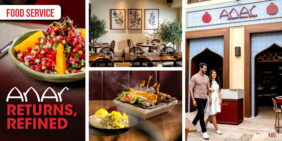
At Souk Madinat Jumeirah, with the Burj Al Arab rising quietly in

Keto Kartel has entered the UAE’s premium wellness food space at a

With at least seven stores now operating across the country—mainly in Dubai,

The UAE Restaurant Group (UAERG), the official representative body of the country’s
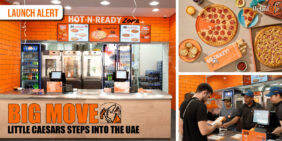
As one of the world’s largest pizza chains, Little Caesars is making

Experiential dining has transformed the restaurant industry inculcating multi-sensory gastronomy to Instagram-worthy

From predictive inventory to robot deliveries, technology is reshaping the hospitality industry

The food service industry in the Middle East is being ushered into

When Mohamed Matar Al Falasi started Saddle Café in Dubai in 2017,





 Previous Article