


Carousel
Entertainment centres in the UAE have started reopening in phases. From today, May 27, cinemas, ice rinks, dolphinariums, aquariums, observation decks, museums and open-air shows are allowed to operate while abiding by the set guidelines. However, children under 12 years are not allowed to enter the entertainment destinations, as of now.
Along with entertainment centres, gyms and fitness centres are also allowed to operate at reduced capacity.
According to Dubai Economy, shopping malls and retail stores are now able to operate with 70% capacity, while F&B outlets can operate at their own capacity, while abiding by the guidelines around hygiene, sanitisation and social distancing. Children under 12 years, elderly over 60 years and high-risk individuals are not allowed to enter the facilities yet.
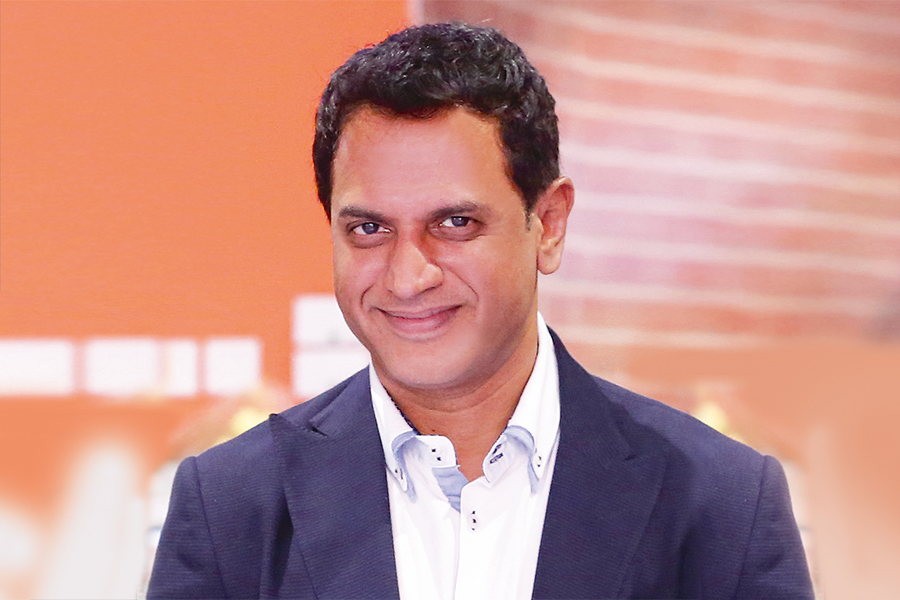
Prakash Vivekanand, secretary-general, MENALAC
The build-up is crucial
Coming back to entertainment, even before the temporary closure of shopping malls in the UAE from the end of March, followed by the lockdown, the leisure and entertainment facilities had already closed temporarily. Eventually, other countries in the GCC imposed similar measures to contain the spread of COVID-19. As such, the Middle East and North Africa (MENA) amusement industry incurred heavy losses – an average of $6.71 billion (AED24.64 billion) per month.
“Our industry has seen zero revenue since March 29. In fact, we started seeing reduced revenues since early February. We are keen to see the return of revenues and positive results from the phased reopening of entertainment centres. While there may not be significant footfall at the entertainment centres until around September or beyond, at this stage, a build-up is crucial for our industry to get back on its feet,” observes Prakash Vivekanand, secretary-general for MENALAC (Middle East and North Africa Leisure Attractions Council).
The big question is if the footfall is low – with the absence of children below 12 years – does it justify the cost of operating an entertainment centre?
“Children below the age of 12 years constitute almost 50% of the audience at entertainment centres, but we will still have the other 50%. However, we are wary about the cost of operation,” admits Vivekanand. “At the same time, with the relaxation of several restrictions, people will feel more confident to step out. This is a test period for the government and authorities to gauge how we are handling the situation with the phased reopening of the entertainment centres. On our part, we are undertaking all possible health and safety measures to welcome back our visitors. Eventually, the age restrictions will be lifted.”
Entertainment centres will look different
The entertainment facilities will operate at an approximate reduced capacity of 30%, ensuring the minimum distance requirements and calculate the square metre area required per person accordingly. In addition, the time of the operating cycle has increased considerably owing to increased sanitisation measures, which also has a bearing on capacity.
There is still anxiety and, as a result, a possible urge among consumers to not engage in discretionary spending compared to pre-COVID levels. In the short term, thus, will the entertainment centres remain largely empty?
“Entertainment centres will certainly look different for a period of time,” Vivekanand responds. “For instance, we understand that facilitating cashless transaction is one of the many things in the entire entertainment experience. There are still several other touchpoints that children will come in contact as part of their entertainment experience. So, operators are being extremely cautious about safety measures through constant sanitisation of the facilities, ensuring visitors and staff wear face masks and gloves at all times, disabling a certain number of seats to maintain the required distance, along with easy social distancing signage.”
“However, human beings will start socialising again. A key part of that socialising will involve visiting the entertainment destinations and shopping malls. Changes will happen; we have to accept that entertainment involves discretionary spending. We have to accept that consumers will tend to spend less for a while. The frequency of their visits to entertainment centres might reduce. In response, most entertainment destinations are relooking at their pricing policies to encourage visitors to return. In addition, as an industry, we will focus on creating games and activities that will facilitate peer-to-peer learning in the long-term. We are focussing on innovating and enhancing socialisation within our entertainment destinations,” he adds.
Support is necessary for recovery
A sector that collectively employs around 5.4 million people in the region, and one that’s severely impacted, MENALAC is seeking support from governments and shopping malls to be able to recover.
“We have written to the governmental authorities across the MENA region for support in areas including reduction in residence visa costs, VAT holiday until year-end and import duty rebates, among others. We are also looking for support from the shopping mall developers through rent relief and deferment, as entertainment centres are key footfall drivers for shopping malls,” shares Vivekanand.
“Having said that, we have to bear in mind that most businesses are run by private entities – entertainment operators as well as shopping malls. To expect the shopping malls to forego their revenues would not be a correct approach. At the same time, the governments are under pressure owing to increased spend on health and safety and other areas. Thus, every stakeholder will have to understand our responsibilities and support each other to gradually recover,” he concludes.
For all the latest retail news from the Middle East, follow us on Twitter and LinkedIn, like us on Facebook and subscribe to our YouTube page.



Watsons to open 20 new stores in the GCC
In 2020, global health & beauty retailer AS Watson Group signed its
April 29, 2024 | By Rupkatha BLandmark Group’s ‘Circulife’ could be a “giant leap” towards UAE’s textile circularity goals
“We want to not just match the price; but beat it,” claims Chemist Warehouse CEO
Landmark Group to invest $1-bn to grow the business, open 400 stores
/ 
For decades, Haldiram’s built deep recall across the UAE through its packaged

When House of Habanero opened its first physical location at Alserkal Avenue

Union Coop has completed a significant expansion of its Hatta Souq branch,

Saudi Arabia is set to welcome U.S. food exporters this week, as

Majid Al Futtaim has officially entered the discount retail segment with the

As convenience increasingly becomes currency in the region’s grocery landscape, Union Coop

As wellness becomes a lifestyle in the UAE, the grocery aisle is

Grandiose, one of the leading grocery retailers in the UAE with a

With shifting consumer behaviour, rising cost pressures, regulatory changes, and rapid digitization,

Union Coop’s blend of retail expansion, digital innovation, and community focus is

Abu Dhabi-based MAIR Group has marked a pivotal stage in its transformation

In a move that blurs the line between shopping and investing, Apparel
/ 
Why cinemas, wellness sanctuaries and cultural districts are becoming emotional infrastructure for

From bullion to boutiques, investment to immersion, Dubai Gold District marks a

Under the patronage of His Royal Highness Prince Saud bin Mishaal bin

When Crossword Bookstores decided to take its first step beyond India, Dubai

The Little Things, a pop culture lifestyle and collectibles retailer, has opened

Founded in March 2023, Ground Control Entertainment is quickly establishing itself as

In today’s fast-evolving retail ecosystem, the hotel industry is crucial in shaping

The intersection of retail and tourism has never been more dynamic than

Alshaya Group announces the opening of two standalone Disney Stores in the

NRF Vice President of Education Strategy Susan Reda forecasts 2025’s retail trends

The Dubai Duty Free (DDF) has recorded sales of $1.94 billion up





 Previous Article